
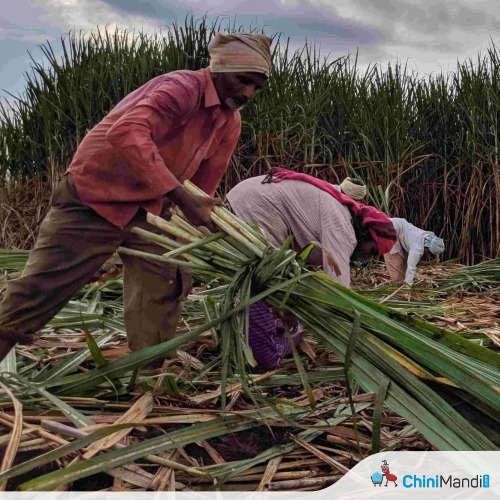
Chhatrapati Sambhajinagar: Thousands of sugarcane-cutting workers from Maharashtra’s Marathwada region have begun migrating to sugar-producing areas in search of seasonal employment, but the delay in opening residential hostels for their children has raised concerns over their education, safety and well-being, The Times of India reported.
The hostels, which are intended to provide accommodation and schooling for children of migrant cane workers, were scheduled to become operational in early October. However, they were yet to open in Chhatrapati Sambhajinagar and several other parts of Marathwada, even as the migration season gathered pace.

Jeevan Rathod, an activist working for sugarcane workers’ rights, said many labourers from Beed and other Marathwada districts had already moved to Telangana and Karnataka in early October. Migration to western Maharashtra was also under way.
He criticised the delay, saying the authorities had failed to make timely arrangements despite the drought situation across the region. With more families likely to depend on sugarcane-cutting work this season, the number of children needing residential facilities could increase substantially.
Under government guidelines, seasonal hostels function from October to March, enabling children of migrant workers to remain in their home villages and continue attending school while their parents work elsewhere. Education officials are also expected to monitor attendance, follow up on prolonged absences and maintain contact with parents to prevent school dropouts, child exploitation and early marriages.
Rathod warned that the delay could have lasting consequences for children, particularly in the areas of education, health and personal safety. He estimated that the number of children requiring such support could reach at least 10 lakh.
School Education Minister Dada Bhuse said a review meeting had been held on Tuesday to assess arrangements for the children of sugarcane workers. He said the government would take the necessary steps, including opening seasonal hostels, in the near future.
Kailas Datkhil, deputy director of education for Chhatrapati Sambhajinagar, said the annual planning for these facilities was carried out by the Maharashtra Prathamik Shikshan Parishad (MPSP). He explained that district education officers and Zilla Parishad chief executive officers were responsible for implementing the plan and would be able to provide details on the status of the hostels.
A senior education department official said preparations had been delayed partly because authorities expected a significant increase in the number of children requiring accommodation this year amid worsening rural distress.
The scale of the expected demand is already evident in Chhatrapati Sambhajinagar district. Gram panchayats have submitted the names of more than 800 children likely to require hostel facilities, compared with slightly over 500 beneficiaries for whom accommodation was approved last year.















