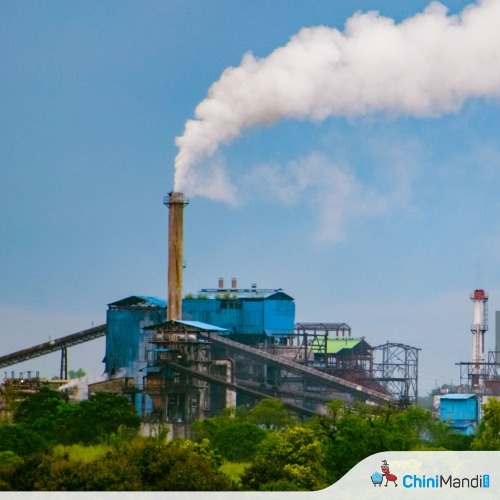
A government task force in Nepal has estimated that Rs 1.18 billion would be required in the first year to revive the Birgunj Sugar Mill, which has remained closed for 24 years, by doubling its sugarcane crushing capacity from 1,500 tonnes to 3,000 tonnes per day, Republica reported.
The five-member task force, formed on August 17 under the coordination of Shrikant Yadav of the Ministry of Industry, Commerce and Supplies, has proposed four options: repairing the mill at its existing capacity, upgrading technology without expanding capacity, doubling capacity, and operating it through a public-private partnership.

Resuming operations after repairs while retaining the existing capacity would require around Rs 550 million. The Rs 1.18 billion estimate for capacity expansion includes Rs 950 million in capital investment and Rs 230 million in operational expenditure.
The report has flagged ageing machinery, unresolved legal issues and outstanding liabilities to former employees as major challenges. It has recommended technical tests of boilers, turbines and electrical systems before deciding whether to repair or replace the equipment. The mill’s legal status must also be clarified, while dues relating to gratuity, accumulated leave, insurance and welfare funds remain unsettled for 185 former employees.
The task force has recommended adopting automated technology and exploring electricity generation from bagasse and ethanol production from molasses. At expanded capacity, the mill could produce an estimated 36,000 tonnes of sugar and four million litres of ethanol annually.
Another proposal is for the government to retain ownership while handing over the mill’s operations and management to the private sector for 25 to 30 years. The report also suggests using around 450 bighas of the mill’s former sugarcane farm for developing quality sugarcane seeds. It cautions that revival costs could rise if the existing machinery is beyond repair or new infrastructure is required.