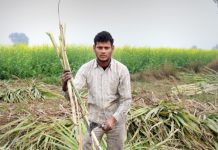
In an era where innovation drives progress, the sugar industry stands at a pivotal crossroads. The traditional methods of cultivation and production are being challenged by the need for sustainable practices and technological advancements. “Dig, Discover, and Display” encapsulates the essence of this transformation. By digging into the rich history and practices of sugar cultivation, discovering new techniques and technologies, and displaying the results through improved efficiency and sustainability, the industry can pave the way for a brighter, more sustainable future. This article explores the critical need for these three pillars in revolutionizing the sugar industry, ensuring it remains a vital part of the global economy while adapting to the demands of the modern world.
A) DIG: Unearthing the Foundations of the Sugar Industry: The journey towards a sustainable and innovative sugar industry begins with a deep dive into its roots. The ‘Dig’ aspect emphasizes the importance of understanding and appreciating the historical and traditional practices that have shaped the industry. By examining the evolution of sugar cultivation and production, we can identify the strengths and weaknesses of past methods.
1) This exploration involves:
Historical Analysis: Investigating the origins of sugar cultivation, from ancient practices to modern advancements. Understanding how different cultures and regions have contributed to the development of sugar production can provide valuable insights into sustainable practices.
Agricultural Techniques: Delving into the various agricultural methods used over the centuries. This includes studying crop rotation, soil management, and irrigation techniques that have been employed to maximize yield and maintain soil health.
2) Technological Evolution: Tracing the technological advancements that have revolutionized sugar production. From the introduction of mechanized harvesting to the development of more efficient milling processes, each innovation has played a crucial role in shaping the industry.
Cultural Significance: Recognizing the cultural and economic impact of sugar in different societies. Sugar has not only been a staple in diets but also a significant economic driver in many regions. Understanding this cultural significance can help in promoting sustainable practices that respect local traditions and economies.
By digging into these foundational aspects, the sugar industry can build a robust framework for future innovations. This deep understanding will enable stakeholders to make informed decisions that honor the past while paving the way for a sustainable and prosperous future.
B) DISCOVER: Unveiling Innovations and Opportunities: The ‘Discover’ phase is all about exploring new frontiers and uncovering the potential that lies within the sugar industry. This involves leveraging cutting-edge technologies, innovative practices, and scientific research to enhance productivity, sustainability, and efficiency. By embracing discovery, the industry can transform challenges into opportunities and drive forward with renewed vigor.
Key areas of discovery include:
1)Technological Advancements:
Precision Agriculture: Utilizing GPS and IoT devices to monitor crop health, soil conditions, and weather patterns. This data-driven approach allows for more efficient use of resources and better crop management.
Automation and Robotics: Implementing automated machinery for planting, harvesting, and processing can significantly reduce labor costs and increase efficiency.
2) Sustainable Practices:
Bioenergy Production: Converting sugarcane by-products, such as bagasse, into bioenergy. This not only provides a renewable energy source but also reduces waste.
Water Management: Developing advanced irrigation systems and water recycling methods to minimize water usage and ensure sustainable water management.
3)Genetic Research:
Crop Improvement: Investing in genetic research to develop sugarcane varieties that are more resistant to pests, diseases, and climate change. This can lead to higher yields and more resilient crops.
Biotechnology: Exploring the use of biotechnology to enhance sugar content and improve the overall quality of sugarcane.
4) Market Expansion:
Value-Added Products: Discovering new uses for sugar and its by-products, such as in pharmaceuticals, bio-plastics, and food additives. This can open up new revenue streams and reduce dependency on traditional sugar markets.
Global Trade: Identifying and tapping into emerging markets to expand the global reach of the sugar industry.
5) Research and Development:
Collaborative Research: Partnering with academic institutions, research organizations, and industry experts to drive innovation. Collaborative efforts can lead to breakthroughs that individual entities might not achieve alone.
Continuous Improvement: Establishing R&D departments within sugar companies to continuously seek improvements in processes, products, and sustainability practices.
By focusing on these areas, the sugar industry can discover new ways to enhance its operations, reduce its environmental footprint, and remain competitive in a rapidly changing world. This phase is crucial for ensuring that the industry not only survives but thrives in the future.
C) DISPLAY: Showcasing Progress and Achievements
The ‘Display’ phase is about transparently sharing the advancements and successes of the sugar industry with stakeholders, consumers, and the global community. By effectively communicating progress, the industry can build trust, attract investment, and inspire further innovation. This phase emphasizes the importance of visibility and accountability in driving sustainable growth.
Key elements of the ‘Display’ phase include:
1) Transparency and Reporting:
Sustainability Reports: Publishing detailed reports on sustainability initiatives, including environmental impact, resource usage, and social responsibility efforts. These reports can highlight the industry’s commitment to sustainable practices and continuous improvement.
Performance Metrics: Sharing key performance indicators (KPIs) related to productivity, efficiency, and sustainability. This data can demonstrate the tangible benefits of new technologies and practices.
2) Community Engagement:
Educational Programs: Developing programs to educate local communities and stakeholders about the benefits of sustainable sugar production. This can include workshops, seminars, and field demonstrations.
Public Relations Campaigns: Launching campaigns to raise awareness about the industry’s efforts and achievements. This can help build a positive public image and foster community support.
3) Innovation Showcases:
Industry Conferences and Expos: Participating in and hosting events where new technologies, practices, and products can be showcased. These events provide a platform for knowledge exchange and collaboration.
Demonstration Projects: Implementing pilot projects that demonstrate the practical application of innovative techniques. These projects can serve as models for wider adoption within the industry.
4) Digital Presence:
Website and Social Media: Maintaining an active online presence to share updates, success stories, and educational content. Social media platforms can be used to engage with a broader audience and create a community around sustainable sugar production.
Virtual Tours and Webinars: Offering virtual tours of facilities and hosting webinars to provide an inside look at the industry’s operations and innovations. This can make the industry more accessible and transparent to the public.
5) Collaborative Platforms:
Partnerships and Alliances: Forming partnerships with other industries, academic institutions, and non-governmental organizations (NGOs) to promote shared goals. Collaborative platforms can amplify the impact of individual efforts and drive collective progress.
Open Innovation Networks: Creating networks where stakeholders can share ideas, research, and best practices. Open innovation fosters a culture of continuous improvement and accelerates the adoption of new technologies.
By focusing on these elements, the sugar industry can effectively display its commitment to innovation, sustainability, and community engagement. This visibility not only enhances the industry’s reputation but also encourages ongoing support and investment from various stakeholders.
NEED OF THE 3-D PRINCIPLE FOR SUGAR INDUSTRY: The “dig, discover, and display” principle is crucial for the sugar industry for several reasons:
1) Innovation and Efficiency:
Dig: This involves exploring new methods and technologies to improve sugar production processes. By digging deeper into research and development, the industry can find innovative solutions to enhance efficiency and productivity.
Discover: Discovering new uses for by-products, such as bagasse and molasses, can lead to additional revenue streams and reduce waste. For example, these by-products can be used for producing biofuels, bioplastics, and other valuable products.
Display: Showcasing successful innovations and best practices can inspire other players in the industry to adopt similar methods, leading to overall industry improvement.
2) Sustainability:
Dig: Investigating sustainable farming practices and environmentally friendly production methods can help reduce the industry’s carbon footprint.
Discover: Finding new ways to utilize waste products can contribute to a circular economy, where waste is minimized, and resources are reused.
Display: Highlighting sustainable practices can enhance the industry’s reputation and attract environmentally conscious consumers and investors.
3) Economic Growth:
Dig: Exploring new markets and opportunities can help the industry expand and diversify its revenue sources.
Discover: Identifying and developing new products can open up additional markets and increase profitability.
Display: Promoting the industry’s achievements can attract investment and support from stakeholders, including the government and private sector.
4) Knowledge Sharing and Collaboration:
Dig: Conducting thorough research and sharing findings can foster collaboration between different stakeholders, including farmers, researchers, and industry leaders.
Discover: Discovering new insights and technologies can be shared across the industry to improve overall performance.
Display: Displaying successful case studies and innovations can encourage knowledge sharing and collective growth.
By adopting the “dig, discover, and display” principle, the sugar industry can drive innovation, sustainability, and economic growth, ensuring its long-term viability and success.
FAVOURABLE POLICIES OF THE UNION GOVERNMENT: The Union Government has announced several favorable policies in recent times that could benefit various sectors, including the sugar industry. Here are some key highlights:
1) Agriculture and Allied Sectors:
Increased Funding: The government has allocated ₹1.52 lakh crore for the agriculture and allied sectors. This funding aims to support sustainable farming practices and improve agricultural productivity.
Natural Farming: A significant push towards natural farming, with plans to initiate 1 crore farmers into these practices over the next two years.
2) Research and Development:
Agriculture Accelerator Fund: Additional funding for the Agriculture Accelerator Fund to promote the use of new technologies in farming, including better storage solutions.
3) Tax Reforms:
Revised Tax Slabs: The new tax regime includes revised tax slabs and increased deductions for salaried employees and pensioners, which can enhance disposable income and support economic growth.
Angel Tax Abolition: The abolition of the angel tax for all classes of investors to boost startups and investments.
4) Infrastructure and Development:
PM Gati Shakti: The PM Gati Shakti National Master Plan aims to improve infrastructure connectivity across the country, which can benefit the transportation of agricultural products.
5) Green Mobility & Energy: Continued support for green mobility and energy.
Ethanol Blending:The government has set a target to achieve 20% ethanol blending in petrol by 2025. This initiative aims to reduce dependency on fossil fuels, lower carbon emissions, and provide a boost to the agricultural sector by utilizing surplus crops like sugarcane and maize for ethanol production.
Compressed Biogas (CBG): The National Biofuels Coordination Committee (NBCC) has introduced the CBG Blending Obligation (CBO), which mandates the blending of CBG in CNG (transport) and PNG (domestic) segments. This policy will be implemented in phases, starting with a voluntary phase until FY 2024-25, followed by mandatory blending from FY 2025-2612.
The CBO aims to stimulate demand for CBG, promote investment, and establish 750 CBG projects by 2028-29, contributing to a circular economy and reducing reliance on imported LNG.
Green Hydrogen: The government has launched the National Hydrogen Mission to make India a global hub for green hydrogen production. This mission focuses on generating hydrogen from renewable energy sources, which can be used in various sectors, including transportation, industry, and power.
These policies reflect the government’s commitment to promoting sustainable and renewable energy sources, reducing carbon emissions, and enhancing energy security.
In conclusion, the sugar industry stands on the brink of a transformative era. By embracing the principles of “Dig, Discover, and Display,” it can honor its rich heritage while forging a path towards a sustainable and innovative future. Unearthing historical practices, uncovering new technologies, and transparently showcasing progress will not only enhance productivity and sustainability but also build trust and inspire further advancements. As the industry navigates these changes, it will continue to play a vital role in the global economy, adapting to meet the demands of a rapidly evolving world. The journey ahead is challenging, but with a commitment to these guiding principles, the sugar industry can thrive and contribute to a more sustainable future for all.
P.G. Medhe is the former Managing Director of Shri Chhatrapati Rajaram Sahakari Sakhar Karkhana Ltd and sugar industry analyst. He can be contacted at +91 9822329898.