
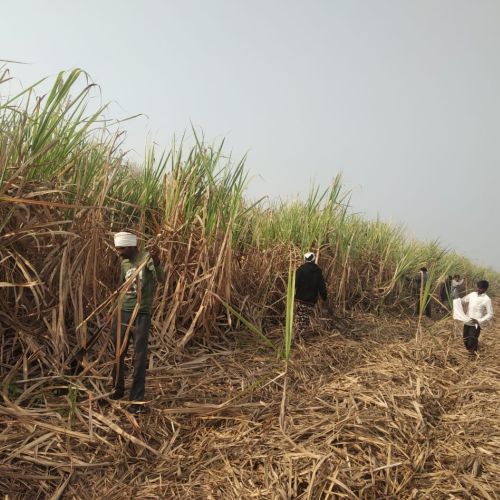
The Uttar Pradesh government’s sustained push for drip irrigation in sugarcane farming over the past nine years has delivered a 25 per cent increase in cane output for farmers who have adopted the technology, while ethanol production capacity in the state’s sugar sector has nearly tripled since 2017, Jagran reported.
According to the Sugarcane Development and Sugar Industry Development Department, drip irrigation systems have been installed across 73,078 hectares of sugarcane area in Uttar Pradesh over the past nine years. Farmers using the technology have seen production rise by up to 25 per cent, while water usage has been reduced by up to 50 per cent. Fertiliser consumption has also fallen by a similar margin, as nutrients are dissolved directly into the irrigation water and delivered efficiently to the plant roots through the drip system, reducing both wastage and input costs.

The department noted that drip irrigation has made it possible to cultivate sugarcane in alkaline soils and low-rainfall regions where conventional farming methods were previously unviable. The number of farmers adopting the technology has continued to grow steadily as its benefits have become more widely visible.
On the ethanol front, the department said that in 2017, only 37 sugar mills in Uttar Pradesh had ethanol plants, with a combined installed capacity of approximately 88 crore litres per year, against actual production of only 42 crore litres. As of now, 53 sugar mills have ethanol production facilities, with total installed capacity expanded to approximately 258 crore litres per year. Actual ethanol production from the sugar sector has risen to 137 crore litres, reflecting the significant scale-up achieved under the current administration’s bioenergy push.















