
Veteran leader Sharad Pawar, speaking at a press conference, discussed issues with the Maharashtra government’s loan waiver scheme and urged a review of certain eligibility conditions under the state’s farm loan waiver scheme. He said that while the government’s decision to introduce a loan waiver was not entirely flawed, some conditions could create difficulties for farmers seeking relief.
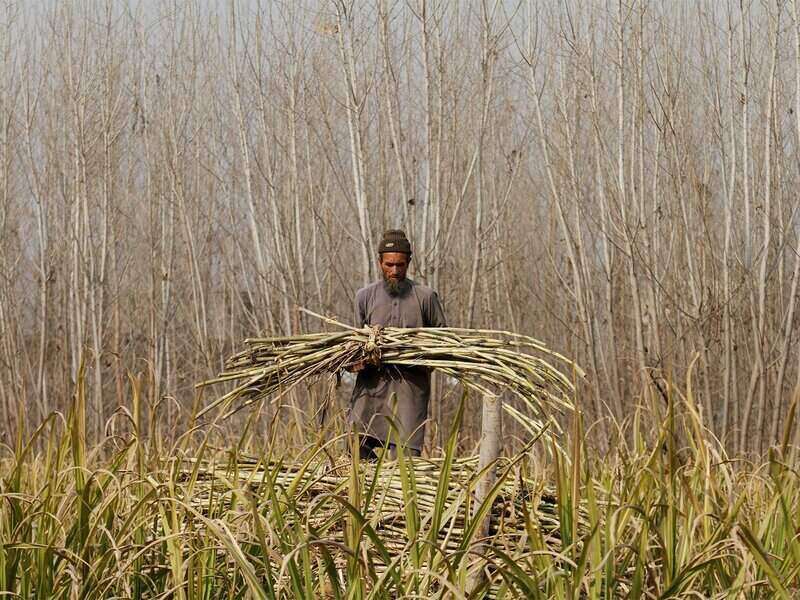
The Maharashtra sugar mills are facing issues due to higher sugarcane FRP and lower sugar in the current season.

Jitendra Chavan, Managing Director, Shahu Sugar Mill, said that at present, the sugarcane Fair and Remunerative Price (FRP) is generally revised independently of the revenue realisation from sugar and ethanol. He said, “The delinking is creating a mismatch when sugarcane FRP increases due to higher cultivation costs, sugar MSP remains unchanged, sugar mills face rising production and financing costs, and revenue growth from sugar sales does not keep pace with cane price increases.
Chavan called for a more sustainable formula that could link FRP to sugar MSP, ethanol procurement prices under the ethanol blending program, and an overall revenue realisation from sugar, ethanol, and by-products.
“Such a revenue-sharing mechanism would help balance the interests of farmers (assured cane price), sugar mills (financial viability) and consumers (stable sugar availability),” he said.
While there have been debates going on about the merits of a dual sugar pricing policy, Chavan said that double categorisation of sugar prices, vis-à-vis lower and regulated sugar prices for domestic household consumption and market-linked prices for industrial/commercial consumption (soft drinks, confectionery, processed foods, pharmaceuticals, etc.), would have some potential benefits.
“It will protect household consumers from sharp price increases, improve revenue realisation for sugar mills and bridge the gap between production cost and selling price. This would also reduce pressure on government support mechanisms,” he stated.
However, implementation would require strong regulations in place and clear definitions. “ For the dual sugar pricing to be successful, we would need to prevent diversion between industrial and domestic channels. This would require a thorough monitoring system. We also need a watertight definition of what constitutes industrial consumers”.
He said the sugar industry in Maharashtra would be able to sustain and grow if the Government links FRP with sugar MSP and ethanol prices, and introduces differentiated pricing for domestic and industrial sugar consumption.
“Such reforms would align cane prices more closely with actual industry revenue and reduce the recurring imbalance between production costs and product realisations,” he concluded.















