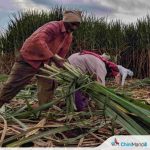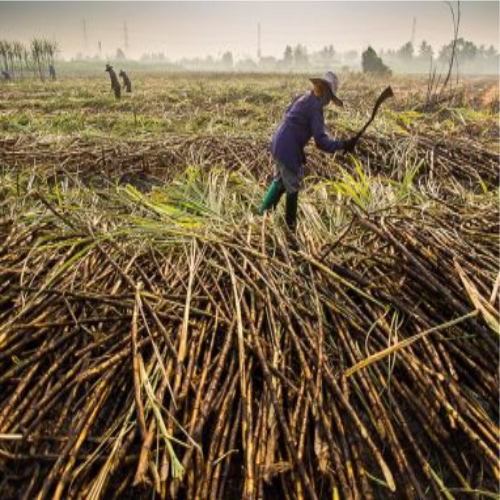
Labasa: A Vunimoli sugarcane farmer has called for a comprehensive review of the Fiji Sugar Corporation’s (FSC) payment system and pricing structure, saying meaningful reforms are now essential to renew interest among younger generations and secure the long-term future of Fiji’s sugar industry, FBC News reported.
David Chute, responding to growing concern about young people walking away from family farming traditions, said proper planning and genuine commitment from those managing the industry are now fundamental requirements for its survival. He argued that the FSC’s payment system, which has remained largely unchanged for many years, must be modernised to reflect current realities.

“Because this system was used back in the day, and it’s still in place,” Chute said. “At Labasa Mill, we have three scales, but during the cane season, we only use one. There are many complaints from truck drivers, so I think we need to change some things in the mill to improve the flow.”
Chute also pointed to the delayed payment cycle as a significant disincentive for young farmers. Unlike most other crops that generate income shortly after harvest, sugarcane growers frequently wait up to a year before receiving their full returns, making the crop less attractive to those who need more immediate cash flow. He acknowledged that government-backed initiatives had helped lift productivity but said more sustained action was needed to strengthen the industry and prevent further exits from the sector.
In contrast, fellow farmer Satish Kumar offered a more optimistic account from the cooperative model. Kumar said that operating as part of a cooperative had noticeably improved efficiency, particularly through shared labour and mechanised harvesting arrangements that have made cane growing more manageable for farmers in the Vunimoli and Korotari areas. Access to pooled resources such as harvesters and trucks, supported by both community networks and government assistance, had eased the burden on individual growers, he said.
Farmers across the Macuata cane belts are now preparing for the harvesting season due to begin next month, with many looking to favourable weather conditions and higher yields to make the coming season more productive.