
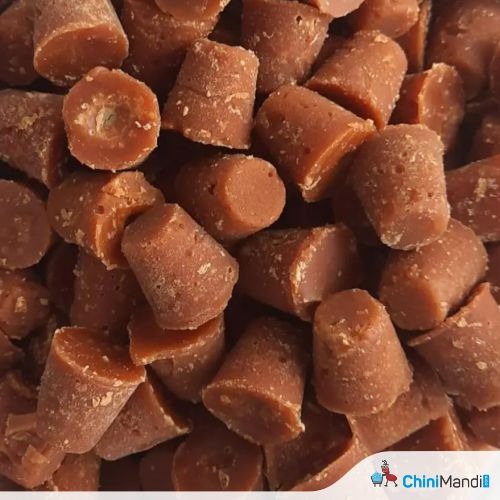
IDUKKI: Kerala’s renowned Marayur jaggery, which received the Geographical Indication (GI) tag in 2019, is facing an uncertain future as sugarcane cultivation in Marayur and Kanthalloor continues to decline under pressure from human-wildlife conflict, labour shortages and changing land-use patterns.
The twin villages, once known for extensive sugarcane cultivation, are witnessing a gradual reduction in the crop that forms the foundation of Marayur jaggery’s unique identity, The New Indian Express reported.

Farmers say agricultural land in the region is increasingly being diverted for tourism-related activities and residential development as Marayur and Kanthalloor grow as popular tourist destinations. Land purchases by beneficiaries of the Life Mission housing scheme, including plantation workers from Munnar seeking affordable housing options, have also contributed to the shift.
Kanthalloor farmer Sivakumar said the extent of sugarcane cultivation has reduced significantly over time. According to him, land under sugarcane, which once covered nearly 1,000 hectares, has now dropped to around 500 hectares. He added that along with rising incidents of crop damage by wild animals, labour shortages have emerged as another major challenge.
Sugarcane cultivation requires almost a year of continuous care before harvest, making it increasingly difficult for farmers to protect fields from elephants, wild boars and peacocks. As farming became less sustainable, several growers moved away from cultivation, while traditional family-operated jaggery units gradually gave way to modern processing centres where farmers now sell harvested sugarcane instead of producing jaggery themselves.
In an effort to help farmers benefit from the GI status, the government and scientific institutions set up a decentralised processing unit at Kanthalloor through the CSIR–National Institute for Interdisciplinary Science and Technology (NIIST) and Marayur Agriculture Hills Development Society (MAHADS). However, despite completion of construction, the facility is yet to begin operations.
At the same time, Marayur Madhuram, a premium brand introduced for tribal farmers to market authentic jaggery, has also struggled due to counterfeit products and other market-related challenges.
MAHADS secretary Indrajith said the society is focusing on value-added products to strengthen farmers’ earnings. Products such as peanut candy made using Marayur jaggery are being introduced, but higher jaggery prices — around ₹100 to ₹120 per kg — make such products costlier than competing sweets in the market. He said prices would need to become more competitive for these products to succeed commercially.
Indrajith said sustained government support for sugarcane cultivation, measures to reduce wildlife-related losses and promotion of value-added products are essential to protect Marayur jaggery and secure the livelihoods of farming communities that have preserved the tradition for generations.















