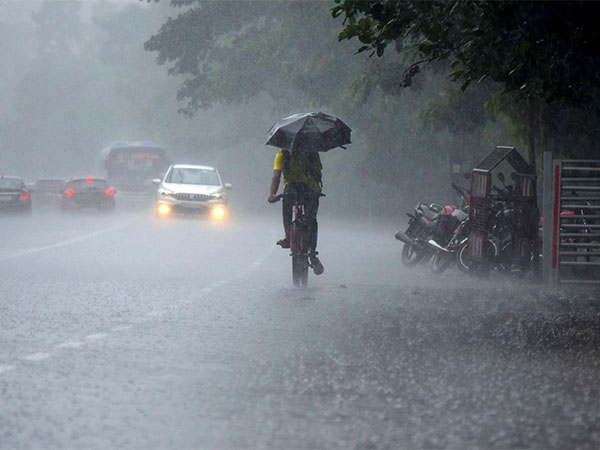
New Delhi: India Meteorological Department has projected below-average rainfall for the 2026 southwest monsoon, raising concerns over agriculture, water levels and rural demand.
The weather agency has forecast seasonal rainfall at 92 per cent of the long-term average, placing it in the “below normal” category. Rainfall between 96 per cent and 104 per cent is considered normal, The Economic Times reported.

The southwest monsoon, which runs from June to September, is crucial for India’s farm sector, covering nearly half of the country’s agricultural land. A weaker monsoon could affect the production of key rain-fed crops such as rice, pulses and oilseeds, and may also push up food prices.
The monsoon usually reaches Kerala around June 1 and withdraws by mid-September. If the forecast holds, 2026 would mark the first below-normal monsoon in three years.
Weather experts said the outlook will be closely watched by policymakers and markets, as monsoon performance plays a key role in inflation, rural consumption and overall economic growth.
Private forecaster Skymet Weather had earlier estimated rainfall at about 94 per cent of the long-period average for the season.
The IMD also noted that current Indian Ocean Dipole conditions are neutral, with a possible shift to a positive phase later in the season, which could partly support rainfall. At the same time, slightly lower snow cover across the Northern Hemisphere may have a negative influence on the monsoon.
The department is expected to release an updated forecast towards the end of May.