Islamabad: Pakistan has imposed sweeping “lockdown-like” measures as the escalating conflict in the Middle East threatens fuel supplies and pushes up energy costs, reported NDTV Profit, citing Dawn.
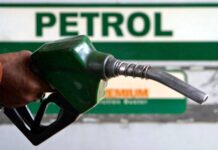
A Cabinet Division notification issued on September 17 introduced an immediate three-month austerity and fuel-conservation package. The measures include early closure of commercial establishments and a 50% reduction in fuel allocations for official vehicles.

Pakistan had introduced similar curbs in March, but most were lifted in June.
Under the latest directives, shops, markets, shopping malls, bazaars, grocery stores and departmental stores must close by 9 pm. Marriage halls and other event venues must shut by 10 pm, while restaurants, cafes and food outlets can operate until 11 pm. Takeaway and home-delivery services are exempt.
Essential services, including pharmacies, hospitals, clinics, laboratories, petrol and CNG stations, EV charging points, bakeries, milk shops, gyms, sports facilities, IT companies and call centres, are also exempt from the operating-hour restrictions.
The 50% fuel cut for official vehicles will remain in place for three months. Vehicles used by the armed forces, law-enforcement agencies and essential services will largely be exempt, subject to specified conditions.
The government has also ordered ministries and departments to cut non-employee-related expenditure by 5% every month during fiscal 2026-27. The purchase of new vehicles and most durable goods has been prohibited.
Foreign travel by government officials has been suspended for three months, with limited exceptions for scholarships and certain training programmes. Essential official travel must be undertaken in economy class, while departments have been asked to use teleconferencing for meetings wherever possible.
Government-funded dinners, seminars, conferences and training programmes have also been restricted, except in specified cases.
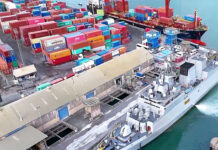
The measures come amid concerns over disruptions to major oil shipping routes, including the Strait of Hormuz and Bab al-Mandab, as the Middle East conflict intensifies. Any prolonged disruption could raise Pakistan’s fuel import costs and add pressure on its energy and foreign-exchange position.