Islamabad: The government of Pakistan has finalised a new national sugar policy aimed at reducing long-standing controls over pricing, production and trade, in a move expected to benefit farmers and open the sector to greater competition, The Express Tribune reported.
The draft policy aligns with reform goals set by the International Monetary Fund, including the removal of both formal and informal price controls across the sugar value chain.

Officials said the proposed changes are designed to improve market efficiency, encourage competition and ensure fair returns for both farmers and millers, while protecting consumer interests.
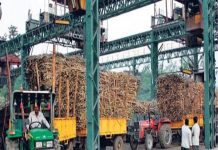
A key feature of the policy is the plan to end the zoning system, which previously restricted where farmers could sell their sugarcane and limited the establishment of new mills. The government believes removing these controls will allow farmers to access better prices and create a more open market.
Under the new framework, farmers will be free to sell their produce to buyers of their choice, while mills will have greater flexibility in sourcing raw materials. The changes are also expected to support diversification and improve profitability in the industry.
The policy places strong emphasis on farmer welfare, with measures such as third-party weighing systems, improved access to credit and support for mechanisation. These steps are aimed at ensuring transparency, timely payments and higher farm incomes.
The government also plans to promote ethanol blending, maintain buffer stocks and strengthen oversight to prevent unfair practices, while encouraging innovation and improving supply stability.
To avoid sudden disruption, a phased approach to trade reforms has been proposed. A clearer process for sugar exports will be introduced this year, with full liberalisation expected from November 2026, depending on the outcome.
Officials said domestic consumption needs will be assessed annually, and production figures will be verified through a tracking system at the end of each crushing season.
Pakistan, the world’s seventh-largest producer of refined sugar, has around 79 sugar mills and an annual output of over 6 million tonnes. The sector is valued at about Rs 1.1 trillion and plays a key role in supporting small farmers.
The policy also seeks to amend provisions under existing laws that allowed authorities to fix sugarcane prices and assign farmers to specific mills. These changes are expected to give growers greater freedom and reduce the influence of controlled pricing systems.
The government said the reforms aim to create a more transparent and competitive sugar industry, while supporting economic growth and improving the livelihoods of farmers.