
Jakarta: Reducing phosphorus fertiliser use in sugarcane cultivation may help maintain crop yields while improving soil health and lowering production costs, according to a new study conducted in Indonesia’s South Sumatra province.
The preliminary research, titled Mycorrhizal phosphorus feedback couples soil physical and chemical quality to sugarcane productivity on tropical Ultisols, found that sugarcane grown with lower phosphorus inputs continued to perform well as beneficial soil fungi compensated for the reduced fertiliser application, The Times of India reported.

Researchers observed that cutting phosphorus use did not degrade soil quality or reduce sugarcane productivity. Instead, underground networks of mycorrhizal fungi became more active, helping plants absorb nutrients more efficiently while improving the soil’s physical structure.
The fungal networks formed close associations with sugarcane roots, extending their reach into the soil to access nutrients that roots alone could not obtain. As the fungi expanded, they also bound soil particles together, creating a looser, more porous structure that improved water infiltration, aeration and root growth.
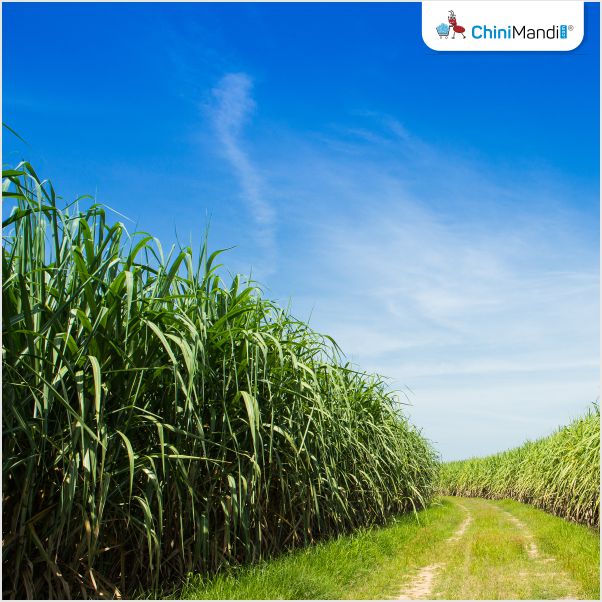
Contrary to concerns that lower fertiliser use could harden tropical soils, researchers found the fields became softer and easier for roots to penetrate. Sugarcane plants remained healthy, with green foliage and strong stalk development, despite the reduction in phosphorus applications.
The findings suggest that natural soil biological processes can partially replace the role of chemical fertilisers, allowing farmers to reduce input costs without compromising yields.
Besides lowering production expenses, reduced phosphorus use could also lessen nutrient runoff into nearby water bodies during heavy rainfall, helping minimise environmental pollution. Farmers may also benefit from lower labour requirements, as reduced fertiliser application simplifies field management.
The researchers concluded that sugarcane cultivation could become more sustainable by relying more on naturally occurring soil organisms while maintaining productivity. Although the findings are based on a preprint that has yet to undergo peer review, they indicate that harnessing biological soil processes could offer a practical pathway for improving farm profitability and long-term soil health in tropical sugarcane-growing regions.















