New Delhi: Farmer organisations, political leaders and stakeholders from the jaggery and khandsari sectors have welcomed the Centre’s decision to withdraw the draft amendments proposed to the Sugarcane (Control) Order, 1966, following widespread opposition from sugarcane growers and industry participants.
The draft amendments, issued on April 20, 2026, had triggered concerns among farmers and operators of traditional jaggery (gur) and khandsari units, particularly over provisions that were perceived as increasing regulatory oversight of the largely unorganised sector, Business standard reported.

The Union Government has now withdrawn the draft order after receiving a large number of comments and suggestions from state governments, farmer groups and other stakeholders. According to an office memorandum issued by the Department of Food and Public Distribution, the Centre concluded that the proposed amendments required further examination and deliberation before any decision could be taken.
The move has been hailed by farmer organisations as a significant victory for sugarcane growers.
The Bharatiya Kisan Union, which had strongly opposed several provisions in the draft order, said the withdrawal reflected the government’s responsiveness to stakeholder concerns. The organisation claimed that thousands of farmers submitted suggestions through email during the consultation process. In western Uttar Pradesh’s major sugarcane-growing district of Bijnor alone, nearly 2,000 farmers reportedly sent recommendations opposing the proposed changes.
Farmer leaders argued that the amendments could have adversely affected the gur and khandsari industries, which consume a significant share of India’s sugarcane production and provide livelihoods to thousands of rural families.
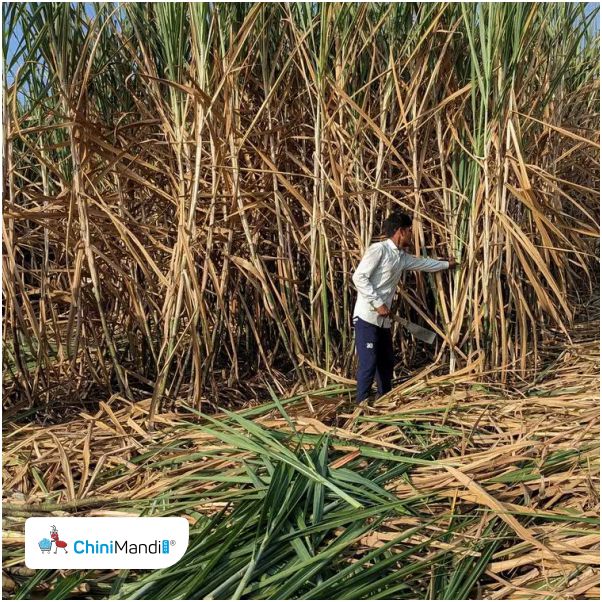
Industry estimates suggest that around 31 per cent of India’s annual sugarcane output of approximately 435 million tonnes is utilised by gur, jaggery and khandsari units. These enterprises are predominantly micro and small-scale operations, often owned by sugarcane farmers or local entrepreneurs.
Major sugarcane-growing districts in Uttar Pradesh, including Meerut, Muzaffarnagar, Baghpat, Saharanpur, Bijnor, Amroha and Bareilly account for a large concentration of such units, with estimates suggesting that each major district hosts between 2,000 and 3,000 kolhu-based gur and khandsari manufacturing operations.
The All India Kisan Sabha (AIKS) also welcomed the withdrawal, describing it as the outcome of sustained protests and nationwide mobilisation by sugarcane farmers. AIKS president Rajan Kshirsagar said the organisation had conducted conventions, demonstrations and farmer meetings across several states, including Uttar Pradesh, Tamil Nadu, Bihar, Haryana, Andhra Pradesh and Maharashtra, to oppose the proposed amendments.
Meanwhile, Union Minister of State for Skill Development and Entrepreneurship Jayant Chaudhary welcomed the government’s decision, stating that it reflected a commitment to policymaking through wider consultation. Farmer organisations had earlier met Chaudhary to present their concerns regarding the draft order, which were subsequently conveyed to the highest levels of government.
The withdrawal of the proposed amendments is expected to provide relief to sugarcane growers as well as thousands of small gur and khandsari producers who had feared increased regulatory intervention in the sector.