
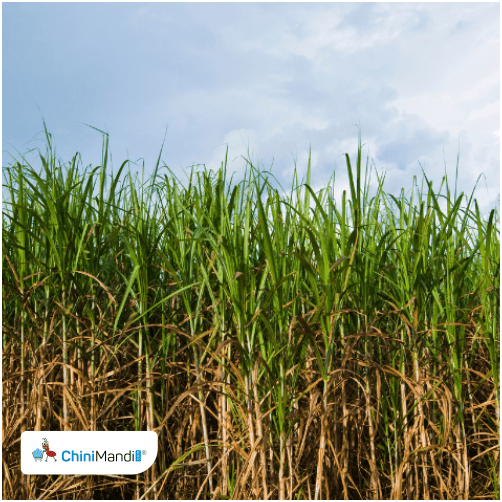
Researchers at the LSU AgCenter have confirmed the presence of a new invasive insect, the pasture mealybug, in sugarcane fields in the state, sparking concern among farmers and experts.
The insect was detected late last year in Vermilion and Iberia parishes after crop consultants noticed unusual yellowing in sugarcane fields. Entomologist Blake Wilson said samples collected from Vermilion Parish were sent for testing to the USDA Animal and Plant Health Inspection Service. Scientists there confirmed the species through physical features and genetic comparison with samples previously found in Texas.

Researchers said affected fields showed signs of severe yellow canopy syndrome and suffered major yield losses. However, Wilson noted that the exact role of the insect in causing the damage is still unclear, FarmProgress reported.
“The pest status of this insect in sugarcane is not fully understood,” he said, adding that studies from Australia have found both young and adult insects on sugarcane leaves and roots. Only the young stage is believed to feed on the plant, which may be linked to the yellowing symptoms, though it has not been confirmed as the direct cause.
Similar yellowing symptoms were also seen in fields in St. Landry Parish, but researchers have not yet confirmed whether the insect was present there.
The pasture mealybug was earlier reported in Texas, where it was linked to damage in pasture grasses across 22 counties. The insect is known to harm several types of grasses used for livestock.
Early signs of infestation include discoloration of plants, with leaves turning yellow or red.
Researchers plan to carry out surveys to determine how widely the insect has spread in sugarcane fields and pasture lands across Louisiana. The pest is believed to affect a wide range of plants, including pasture grasses, turfgrass, and sugarcane.
Farmers and landowners have been asked to report suspected cases to researchers for further investigation.















