
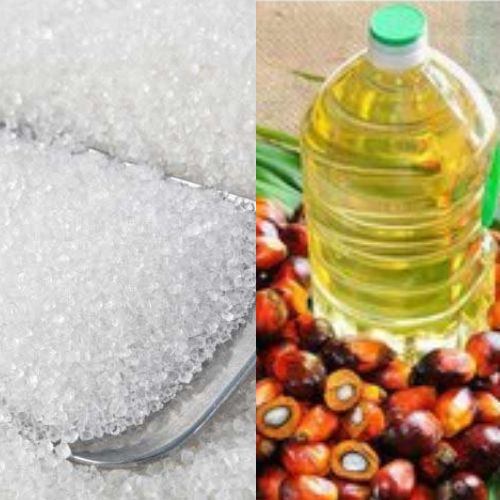
Fears triggered by the ongoing conflict involving the United States, Israel and Iran have led to panic buying in Bangladesh, causing temporary shortages of edible oil and sugar in retail markets of the capital despite adequate national stocks, The Business Standard reported.
Traders and importers said there is no real supply crisis, noting that the country has enough stocks to meet demand for at least a month and that imports are continuing as usual.

A visit to several markets in Dhaka showed loose soybean oil selling between Tk178 and Tk193 per kilogram, while five-litre bottles were priced at Tk940 to Tk955 and two-litre bottles at Tk390 to Tk395. Palm oil was being sold at Tk158 to Tk162 per kilogram, while sugar prices ranged from Tk100 to Tk105 per kilogram.
However, many neighbourhood grocery shops reported limited availability of soybean oil, particularly five-litre bottles, with retailers saying the shortage has persisted for about two weeks.
Traders said the pressure is mainly due to higher consumer demand. Mohammad Saiful Islam, a trader in Shahjadpur, said supplies of bottled oil have been limited.
“We hardly receive five-litre bottles, and two-litre bottles arrive only occasionally. Companies say they themselves have limited supply, and people are buying more than usual,” he said.
Concerns over the war have also prompted some consumers to stockpile essential items. Israt Jahan Lipsa, a resident of Mohammadpur, said she bought two months’ worth of groceries after the conflict began to avoid potential shortages.
At the wholesale level, however, traders said supplies remain stable. Mamunur Rashid, a wholesaler at Karwan Bazar, said there were minor disruptions for a short period but the situation has largely returned to normal.
According to the Ministry of Commerce of Bangladesh, the country’s annual demand for soybean and palm oil is about 2.5 million tonnes, while sugar demand is around 2 to 2.1 million tonnes. Domestic sugar production accounts for only about 30,000 to 37,000 tonnes each year.
Demand for both products usually rises during Ramadan, when consumption increases to roughly 300,000 tonnes.
Officials from major suppliers also said there is no shortage. Taslim Shahriar of Meghna Group said the company imported additional oil and sugar earlier this year and is currently supplying more than 50,000 tonnes of oil every month.
Similarly, Biswajit Saha of City Group said supply has not been reduced, though some smaller firms have faced difficulties opening import letters of credit.
Zohurul Islam of ACI Limited said existing stocks of soybean oil in the country should be sufficient for about a month and prices have not been increased so far.
Meanwhile, consumer rights groups have urged authorities to monitor the market closely. SM Nazer Hossain of the Consumers Association of Bangladesh said some dealers and retailers may be hoarding products during such situations to create artificial shortages and raise prices.
He called on the government to inspect warehouses, adding that by some estimates Bangladesh has up to six months’ worth of crude sugar and edible oil either in stock or already in the import pipeline.