
Lahore: The Pakistan Sugar Mills Association has urged the government to allow immediate export of surplus sugar and ease controls on the sector, saying continued restrictions are causing financial strain even as production remains strong, Business Recorder reported.
At a press briefing, PSMA Chairman Zaka Ashraf said the sugar industry is a major contributor to the country’s economy, second only to textiles among agro-based sectors. He highlighted that it generates over Rs1,000 billion in economic activity each year, contributes around Rs300 billion in taxes, and helps reduce imports worth nearly $5 billion.

Industry representatives said the sector continues to face strict controls, especially in the domestic market, where provincial authorities fix prices, manage supply, and enforce payment schedules. They noted that while a large share of sugar used by businesses operates under open market conditions, sugar meant for household use remains tightly regulated, affecting overall market balance.
The association said past governments had promised to relax these controls, but the steps have yet to be implemented. It added that easing restrictions would improve efficiency, attract investment, and allow the industry to function more smoothly.
According to the PSMA, sugar production had reached about 7.5 million tons by March 25 and is expected to rise to 7.7 million tons by the end of the crushing season. With an additional 100,000 tons from beetroot, total availability is projected at 8.071 million tons. Against an estimated domestic need of 7.02 million tons over 13 months, the country is likely to have a surplus of around 1.05 million tons.
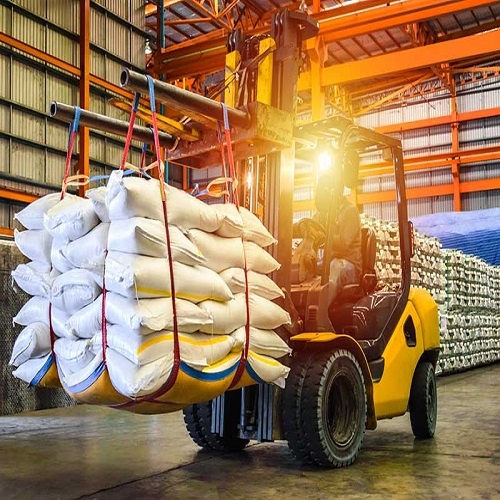
The association said the surplus has increased storage and carrying costs for mills, adding to financial pressure. It called for quick approval of exports, noting that Pakistan has the capacity to produce up to 12 million tons of sugar annually. This, it said, could support exports of up to 6 million tons and generate about $4 billion in foreign exchange, with another $1 billion possible from ethanol exports.
The PSMA also suggested bringing back ethanol blending in fuel, saying that mixing up to 20% ethanol with petrol could reduce dependence on costly fuel imports and support the sugar sector. It noted that similar policies introduced in the past were later withdrawn.
The association further pointed to the industry’s role in producing electricity from bagasse, stating that excess power from sugar mills can support industrial use and supply the national grid.
On the agriculture front, the PSMA said improved crop prices and timely payments this season have helped boost sugarcane production and rebuild farmer confidence.
It concluded that timely decisions on exports and easing of controls are necessary to stabilise the industry, support rural incomes, and help the country earn foreign exchange.















