The Fijian government announced on April 23, 2026, that it would redeploy $56 million within the existing 2025-26 national budget to cushion the impact of rising global fuel prices, with the package including a $28 million sugarcane price top-up for cane farmers for the 2025 crop season, Fijivillage reported.
Cabinet approved the redeployment on Tuesday, according to Prime Minister Sitiveni Rabuka, who said the funds were being redirected from delayed projects and did not represent new borrowing. Rabuka said the government had reprioritised existing allocations to provide immediate relief to households, farmers, and essential service providers.

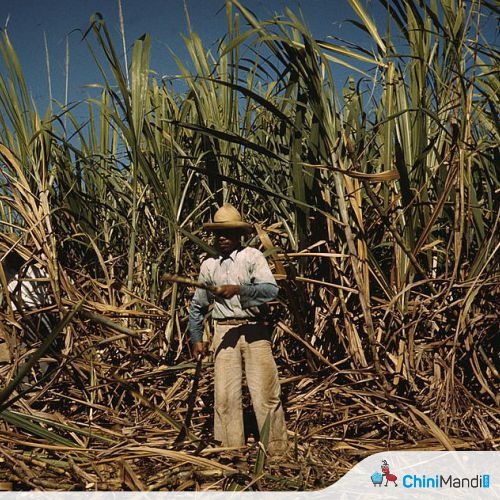
The $28 million set aside for the sugarcane price top-up is aimed at stabilising incomes for cane farmers and ensuring continued production in what Rabuka described as one of Fiji’s key economic sectors.
On transport, the government has allocated $4 million to support bus operators for the four-month period from April 1 to July 31. During this period, the government will fully absorb an additional 10 per cent fare increase on top of existing bus fares, over and above the 10 per cent subsidy already provided to passengers. Bus companies will also receive a full fuel rebate of 20 cents per litre.
The government will also extend fuel rebates to Energy Fiji Limited (EFL), which relies on diesel and heavy fuel oil for approximately half of the country’s electricity generation. The rebate will cover 20 cents per litre on diesel and 12 cents per litre on heavy fuel oil for the same four-month window.
For social protection, the government will provide a temporary 50 per cent top-up to all social welfare recipients for three months, from May 1 to July 31. Rabuka said this measure, estimated to cost approximately $24 million, was intended to provide immediate relief to vulnerable households facing a higher cost of living.
All ministries, departments, and agencies have been directed to implement strict cost-cutting measures in parallel, Rabuka said.
On the fuel supply position, Rabuka confirmed that as of April 19, Fiji had approximately 45 million litres of fuel in stock on land, with a further 22 million litres expected to arrive before the end of the month, bringing total available supply for April to around 67 million litres — close to half of Fiji’s national storage capacity. Daily consumption stands at around 2.5 million litres. Stock levels are expected to draw down to approximately 40 million litres, or about 29 per cent of storage capacity, by end of April.
Rabuka said this drawdown was part of the normal supply cycle and was not a cause for concern. He added that fuel suppliers had committed to delivering approximately 118 million litres in May, which would bring national fuel stock back to over 59 per cent of storage capacity.
The prime minister attributed the price pressure to the war in the Middle East, disruptions caused by the closure of the Strait of Hormuz, and rising costs in global markets. He noted that fuel is purchased in US dollars and that global price increases are passed through directly to Fiji’s domestic market. The price rise on April 1 was a decision of the Fiji Commerce Commission (FCCC), the independent price regulator, and Rabuka said a further price increase was anticipated in May. He said the country was currently in Phase 1 — a normal supply situation — but was under pressure from a global price crisis rather than a supply shortage.