
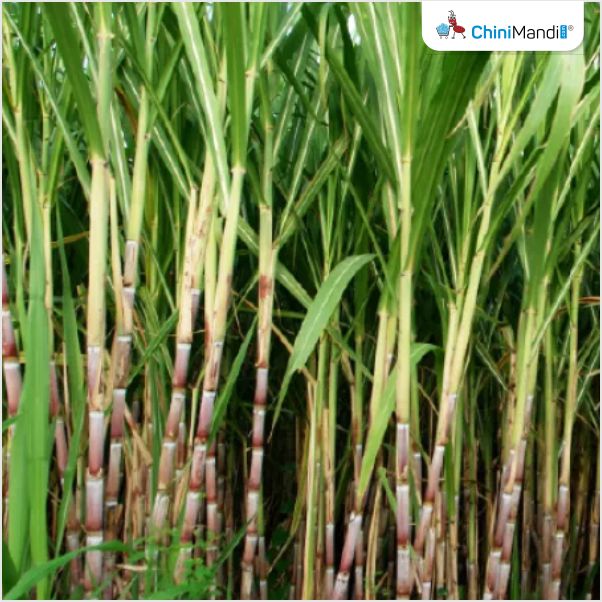
The Krishi Vigyan Kendra (KVK) Madhopur, under the Majhaulia block in Bihar’s West Champaran district, recently conducted an on-farm trial (OFT) in Bakharia village to assess the effectiveness of different herbicides for weed control in sugarcane, Dainik Bhaskar reported.
The trial was conducted by Dr. Harsha B.R., Subject Matter Specialist (Crop Production), under the guidance of Dr. Abhishek Pratap Singh, Senior Scientist and Head of KVK Madhopur. The primary objective was to evaluate the performance of both conventional and advanced herbicides under actual field conditions and provide farmers with scientifically validated options for better weed management in sugarcane.

The trial highlighted the severity of the weed problem in sugarcane cultivation. Being a long-duration crop, sugarcane is particularly vulnerable to weed pressure during its early growth stages, when weeds compete aggressively with the crop for nutrients, water, and sunlight. According to the KVK, this competition can reduce sugarcane yield by 30 to 40 per cent if left unaddressed.
Three herbicide treatments were evaluated comparatively. The first, Atrazine 50% WP, is a selective pre-emergence herbicide found to be effective in preventing the germination of broad-leaf weeds and certain narrow-leaf weeds. The second, Metribuzin, is a broad-spectrum herbicide that showed efficacy against broad-leaf weed varieties. The third, Halosulfuron Methyl 75% WG, was found to be especially effective against difficult-to-control weeds such as nutsedge, locally known as motha.
Preliminary results indicated that effective weed control in sugarcane is achievable through the timely and appropriate application of herbicides. Dr. Harsha B.R. said that weed management within 30 to 45 days of planting is critical, as controlling weeds during this window protects the crop from competitive stress during its most vulnerable phase and helps safeguard yield potential.















