The Uttar Pradesh government is set to introduce tissue culture technology in sugarcane farming across the state, marking a significant shift from traditional cultivation methods in a bid to improve seed quality, boost crop recovery, and raise yields, Jagran reported.
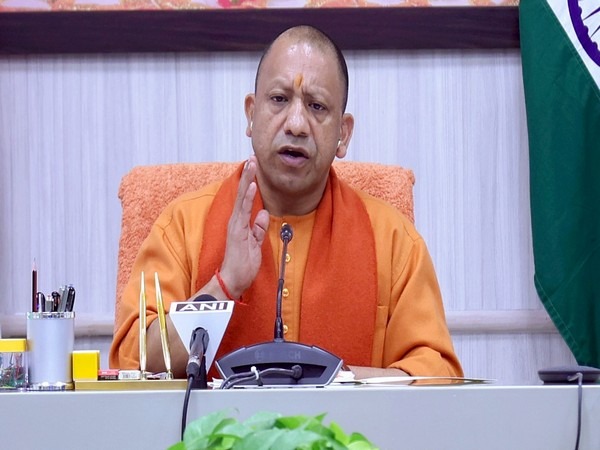
In line with Chief Minister Yogi Adityanath’s vision, the Uttar Pradesh Council of Sugarcane Research (UPCSR) and Balrampur Chini Mills Limited (BCML) have signed a memorandum of understanding (MoU) to advance this initiative. Under the partnership, development and large-scale expansion of improved sugarcane seed varieties will be undertaken at Haidargarh in Barabanki district.

The programme goes beyond simply providing technology to farmers. A structured training framework has been designed to give farmers hands-on experience in greenhouse operations within laboratory settings, preparation of plantlets, use of chemicals, handling of equipment, and field transplantation techniques. Special training modules have also been developed to teach farmers how to harden lab-grown plants and adapt them to field soil conditions, along with guidance on fertiliser management and modern irrigation practices.
According to the Sugarcane Commissioner, traditional seed production methods are time-consuming and maintaining varietal purity is a persistent challenge. Tissue culture, by contrast, offers several advantages: millions of high-quality plants can be produced in a short period, lab-prepared seeds are free from viruses and pests which reduces cultivation costs, and new and improved cane varieties can be made available to farmers across the state far more rapidly than through conventional propagation.
The government’s stated objective is not merely to introduce the technology but to build expertise among farmers at the grassroots level, so that Uttar Pradesh’s sugarcane can meet global quality standards and farmers can contribute more effectively to the state and national economy.