
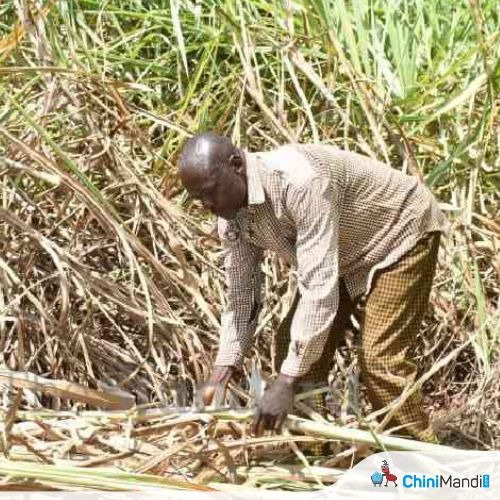
Negros Island Region: Despite being the country’s top sugar-producing hub, farmers in the Negros Island Region continue to earn below minimum wage, highlighting deep income inequality in the sector.
According to data from the IBON Foundation, the region produced 5.04 million metric tonnes of sugarcane in the fourth quarter of 2025, accounting for nearly 76% of the national output. It is also home to about 60% of the country’s sugar refineries and 13 out of 25 operational sugar mills, Explained Ph reported.

The value of sugarcane production in Negros rose by 32.4% between 2024 and 2025, reflecting strong sectoral growth. However, this has not translated into better earnings for farmworkers. Daily wages for many farmers range between P300 and P500—well below the P540 minimum wage. In some cases, workers reportedly earn just P480 for 12 hours of plantation work without mandated benefits.
Even lower payments have been reported for certain tasks, such as weeding, where workers receive the equivalent of P60 per day over a three-day period. Agricultural work in the region remains largely seasonal, leaving many farmers without income during the “tiempo muerto” or off-season between planting and harvest.
The disparity is reflected in broader socio-economic data, with nearly 28.9% of the region’s population living below the poverty line, making it the third poorest region in the country despite its agricultural output.
In response, the Department of Agriculture launched the nationwide rollout of the P10-billion Presidential Assistance for Farmers and Fisherfolk Program (PAFFP) on April 15. The initiative, funded under the 2026 General Appropriations Act, provides cash assistance of P2,325 to over 4.17 million beneficiaries, including rice, corn, and sugarcane farmers, as well as registered fisherfolk.
However, farmer groups such as the Kilusang Magbubukid ng Pilipinas have called for broader support, urging the government to extend aid to agricultural workers and those cultivating other crops.
KMP Chairman Danilo Ramos warned that without increased subsidies, farmers could be forced to abandon agriculture, potentially leading to higher food prices and worsening hunger. He also pointed to additional pressures from rising fuel costs and the looming impact of El Niño, which could further strain the sector.
The situation underscores the persistent challenges faced by agricultural workers in one of the country’s most productive regions, where high output continues to contrast sharply with low incomes.















