
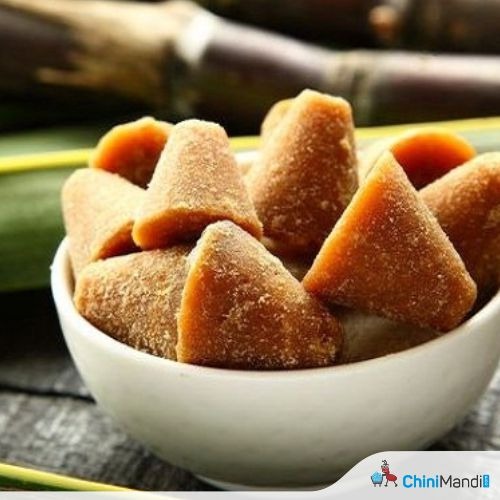
Coimbatore : Farmers and traders have urged the State government to include GI-tagged Kavundapadi country sugar (Nattu Sakkarai) in the Public Distribution System (PDS), arguing that the move would increase consumption, provide better returns to growers, and sustain the livelihoods of thousands of people involved in the traditional sweetener industry. According to a report published in The Hindu.
Kavundapadi country sugar was awarded the Geographical Indication (GI) tag in December 2025 following sustained efforts by the Kavindhapadi Nattu Sakkarai and Vellam Producers Association. While welcoming the recognition, farmers say additional measures are needed to expand market access and encourage wider consumption of the product.

Produced in Kavundapadi and nearby areas of Bhavani taluk, the traditional sweetener is known for its distinctive taste and unique manufacturing process. The GI tag recognizes the product’s special qualities, which are closely linked to the region’s agro-climatic conditions and long-standing production practices.
The area benefits from the influence of the Bhavani River, the Lower Bhavani Project (LBP) canal network, the Thadapalli-Arakkankottai irrigation system, Odathurai pond, and Anandasagaram lake. These water resources contribute to high humidity levels that support sugarcane cultivation and help maintain high sucrose content in the crop.
Sugarcane cultivated across nearly 6,000 acres is processed in around 260 to 300 cottage units. Approximately 750 litres of sugarcane juice are required to produce 100 kilograms of country sugar, highlighting the labor-intensive nature of the industry.
According to farmer Sampath Kumar, the sugarcane juice is boiled for nearly two hours, with baking soda and calcium carbonate added at different stages of the process. A small quantity of coconut oil is added before the product is removed from the fire and prepared for final processing.
The production method is also environmentally sustainable, as sugarcane residue generated during crushing is used as fuel, making the process largely waste-free.















