
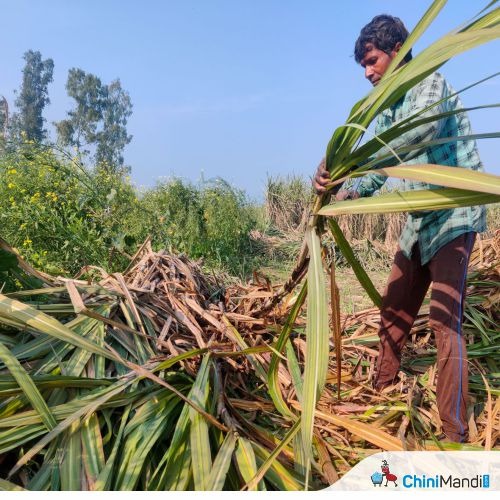
India’s sugar-producing regions are witnessing a growing overlap between agriculture and wildlife habitats, with rising incidents of human-animal conflict emerging as a concern for farming communities and creating new challenges for sugarcane operations.
Recent incidents from Maharashtra and Uttar Pradesh highlight how expanding sugarcane cultivation and changing land use patterns are bringing farmers, field workers and wild animals into closer contact.

In Maharashtra’s Junnar region, repeated leopard attacks in sugarcane-growing villages have heightened concerns among local communities. In Pimperkhed village, farmers have adopted unusual safety measures, including wearing metal-spiked collars while entering fields following a series of fatal leopard attacks.
Residents say leopards have gradually adapted to sugarcane landscapes over generations, using dense cane fields as cover and moving more frequently near settlements and agricultural areas.
Authorities have initiated relocation and sterilisation measures to manage the leopard population, but villagers say concerns over safety remain.
The issue is not confined to western India.
In Uttar Pradesh’s Pilibhit district, encounters between farmers and tigers have become increasingly common in areas where agriculture borders forest land.
One recent incident involved 60-year-old farmer Chameli Devi, who was guarding crops near the forest boundary when she encountered a tiger concealed among standing fields. She managed to remain calm and leave safely after the animal moved away.
Pilibhit lies within the Terai landscape, where forests and agricultural land exist in close proximity. Conservation experts say rapid expansion of sugarcane cultivation over the past two decades has reshaped the region and increased interactions between wildlife and farming communities.
With more than 70 per cent of settlement land in parts of the Terai under sugarcane cultivation, the crop’s tall and dense structure has created conditions that resemble natural grassland habitats.
This has encouraged wildlife movement through cultivated areas, with tigers increasingly using sugarcane fields for shelter and movement.
Conservationists working in the region note that some large cats have become so closely associated with agricultural landscapes that they are often referred to locally as “sugarcane tigers”.
According to local estimates, more than 60 people have lost their lives in tiger-related incidents in the Pilibhit region since 2010.
The growing conflict is also drawing attention within the sugar sector.
Sugarcane cultivation and harvesting depend heavily on seasonal labour, much of which takes place in open fields over extended periods. Concerns over worker safety can influence labour availability, increase operating costs and affect harvesting schedules.
In Maharashtra, sugar authorities have previously advised mills to work with forest departments on safety arrangements for cane workers, including improved accommodation and protective measures near field locations.
Industry stakeholders note that delays in harvesting can affect cane quality and sugar recovery, making uninterrupted field operations critical during the crushing season.
As India’s sugarcane landscape continues to expand alongside wildlife conservation efforts, managing coexistence between agriculture and wildlife is becoming an increasingly important issue for rural communities and the broader sugar economy.















