
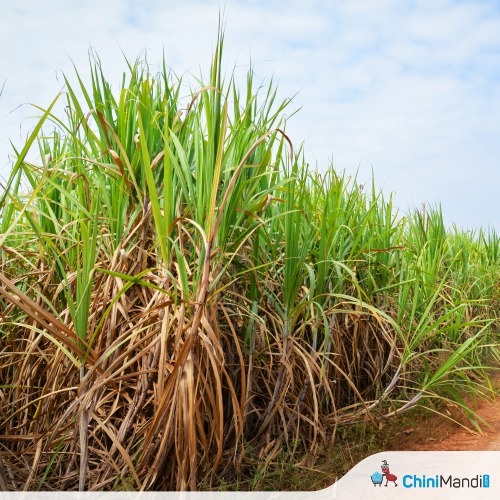
Lucknow: The Uttar Pradesh government has introduced a new regulatory framework to safeguard the interests of sugarcane farmers by ensuring the supply of quality agricultural inputs through sugar mills.
Acting on the directions of Chief Minister Yogi Adityanath, the Cane Commissioner has issued comprehensive guidelines for all sugar mills in the state, making it mandatory to adhere to prescribed quality standards before distributing fertilisers, bio-fertilisers, micronutrients, pesticides and other farm inputs to growers, Hindustan reported.

Under the new system, every batch of agricultural inputs must undergo quality testing at a laboratory accredited by the National Accreditation Board for Testing and Calibration Laboratories (NABL), Deputy Cane Commissioner Rajeev Rai said. Only products that comply with the Fertiliser Control Order, 1985, the Insecticides Act, 1968 and other statutory standards will be eligible for distribution.
The guidelines also require mills to give preference to agricultural inputs recommended by the Indian Council of Agricultural Research (ICAR), the Uttar Pradesh Sugarcane Research Council at Shahjahanpur and recognised agricultural universities. Distribution of pesticides banned by the Government of India has been prohibited.
The government has also barred sugar mills from supplying agricultural inputs without the farmer’s consent. Inputs can now be provided only on the basis of farmers’ actual requirements and the area under sugarcane cultivation. The practice of fixing sales targets and forcing farmers to purchase agricultural inputs has also been banned.
The new framework places full responsibility for the quality and distribution of agricultural inputs on the respective sugar mills. Deputy Cane Commissioners and District Cane Officers will conduct regular inspections to ensure compliance.
Officials said strict action will be taken against mills found distributing substandard products or supplying inputs without farmers’ consent.
The state government said the initiative is expected to ensure that sugarcane growers receive certified agricultural inputs at reasonable prices, helping reduce cultivation costs while improving productivity and farm incomes.















