
Kolhapur: The Maharashtra State Kisan Sabha has demanded a minimum sugarcane price of Rs 5,500 per tonne for the 2026-27 crushing season and a rate of Rs 6,570 per tonne based on the Swaminathan Commission’s C2+50% formula. It has also sought a share for farmers in revenue generated from sugar industry byproducts, along with transparency in cane weighing, harvesting charges and Fair and Remunerative Price (FRP) payments.
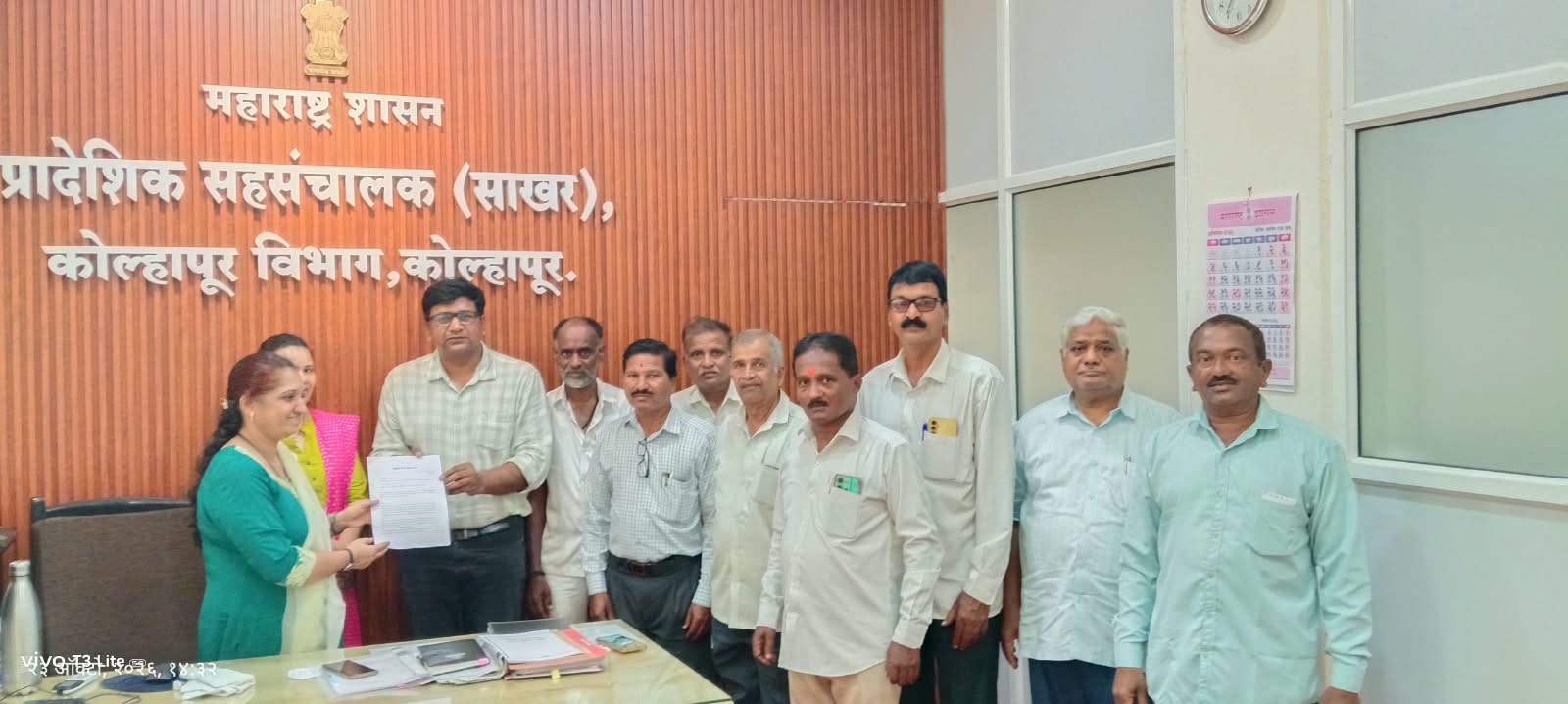
The organisation submitted a memorandum to the Joint Director of Sugar in Kolhapur on Thursday, led by state secretary Girish Fonde. It warned of a statewide farmers’ agitation if the demands were not addressed.

Fonde said the Centre had fixed the FRP for the 2026-27 season at Rs 3,650 per tonne for a basic sugar recovery rate of 10.25%. However, he said the rate was insufficient to cover farmers’ expenses on fertilisers, seeds, pesticides, labour, irrigation, land and capital, besides the contribution of family labour.
He urged the government to ensure a minimum price of Rs 5,500 per tonne as a practical solution to the current dispute over cane prices. He also demanded that farmers receive a fair share of income from byproducts in line with the revenue-sharing principle recommended by the Rangarajan Committee.
According to the memorandum, the government has estimated the A2+FL cost of sugarcane production at Rs 1,820 per tonne, while the average harvesting and transportation cost in Maharashtra is Rs 950 per tonne. The Kisan Sabha said cane pricing should reflect actual production expenses and provide growers with adequate returns.
The Regional Joint Director of Sugar said efforts were underway on a war footing to resolve the deadlock over sugarcane prices. She said a joint meeting of sugar factory managements and farmer organisations would be convened at the District Collector’s office on October 28 or 29 to discuss a solution.
The Kisan Sabha has also demanded that the minimum selling price of sugar be increased to Rs 50 per kg and reviewed regularly in line with production costs and market conditions. It has sought an increase in the ethanol price to Rs 70 per litre and appropriate pricing for molasses and other sugar industry byproducts.
Under its revenue-sharing demand, the organisation wants sugarcane growers to receive a fair share of income generated from sugar, molasses, ethanol, bagasse, co-generation of electricity and press mud.
On payment of cane dues, the memorandum calls for the entire FRP to be paid in one instalment within the prescribed period. It has demanded legal action against mills that delay payments and interest on outstanding dues as applicable under the rules.
The organisation has also sought transparent determination of harvesting and transportation charges, an end to unauthorised deductions and disclosure of the full cost details to farmers. It has urged the Commission for Agricultural Costs and Prices to include land, capital, agricultural inputs, labour and family labour while assessing sugarcane production costs, rather than relying solely on the A2+FL estimate.
The memorandum further calls for accurate and transparent measurement of sugar recovery rates, proper calculation of FRP and access for farmers to records of cane weight, recovery and payments. It has demanded regular inspections of factory weighbridges, weight receipts for every cane consignment and SMS notifications to farmers. An independent inspection mechanism has also been proposed to address weighing discrepancies.
To improve accountability, the Kisan Sabha wants sugar factories to disclose revenue from sugar and byproducts, production costs, cane procurement prices, FRP payments and deductions made from farmers’ payments. It has also sought independent audits and access to financial records for growers.
Several representatives attended the memorandum submission, including district secretary Namdev Patil, Krishnat Patil, Baburao Gawade, Rajendra Khatale, Yuvraj Desai, Jyotiram Ghodke, Bhagwan Patil, Arvind Kurane and Maruti Nalawade, along with a large number of farmers.
The Kisan Sabha said the cane pricing dispute concerns not only the profitability of sugar factories but also farmers’ livelihoods, agricultural sustainability and the rural economy. It urged the government and sugar administration to act promptly on the demands, warning that failure to address them would lead to a broader farmers’ agitation.















