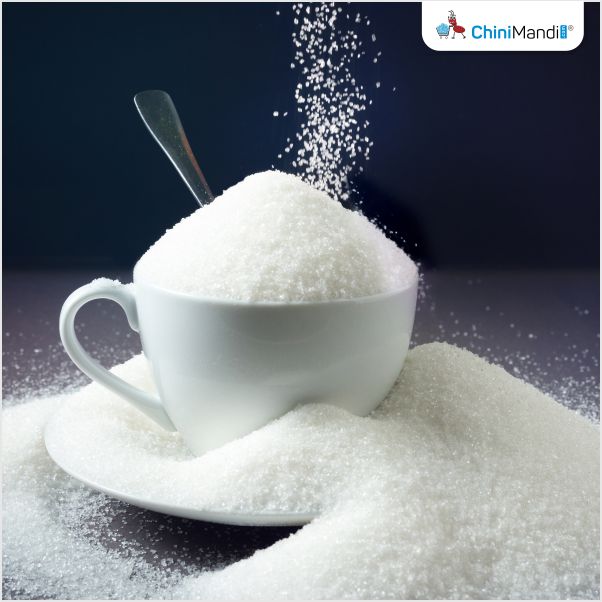
Anantapur: Sugar traders in Anantapur have been accused of creating an artificial scarcity, raising concerns about a further increase in sugar prices ahead of the upcoming festival season, according to a report by Deccan Chronicle.
Artificial demand and concerns over tightening supplies in wholesale and retail markets have pushed sugar prices in Anantapur to around Rs 60 a kg. Jaggery prices currently range from Rs 60 to Rs 80 a kg, depending on quality. Some retailers fear sugar prices could rise to Rs 80 a kg or higher amid concerns over lower domestic sugar production.

A section of traders has also been accused of stockpiling sugar and jaggery and creating an artificial scarcity ahead of the festival season and the holy month of Shravan. A local shopkeeper said wholesale suppliers were either unwilling to provide sugar at affordable prices or had limited supplies available, leaving some retailers without adequate stocks.
India’s sugar production for the current season was initially estimated at 343 lakh tonnes but is now expected to be around 306 lakh tonnes, indicating a decline of nearly 37 lakh tonnes, according to the data cited in the report.
Adverse weather conditions, including unseasonal rains and waterlogging in major sugar-producing states such as Maharashtra and Uttar Pradesh, have affected sugarcane output. Diseases and pest attacks, including red rot and top borer, have also added to the pressure on cane production.
Concerns over higher sugar prices and tightening domestic supplies have renewed criticism of the government’s ethanol policy, with some arguing that the diversion of sugarcane towards ethanol production has reduced sugar availability.
However, analyst K. Naryana said the composition of India’s ethanol feedstock indicates that ethanol production may not be the primary reason for the current pressure on sugar supplies. Data from the All India Distillers Association shows that grain-based ethanol, mainly produced from maize and broken rice, accounts for nearly 85% of the domestic ethanol supply mix in the 2025-26 ethanol supply year. Sugarcane-based ethanol is largely produced from molasses left after sugar extraction, limiting its direct impact on the availability of sugar.
Market pressure has also been aggravated by alleged stockpiling by some traders ahead of the festival season, according to industry observers.
To address the supply concerns, the Centre banned sugar exports from May 13, 2026, and extended the restriction until Sept. 30. It also allowed the import of 10 lakh tonnes of raw sugar and waived the 100% import duty on the permitted quantity, Naryana said.
While ethanol blending remains an important part of India’s energy security strategy, experts said a longer-term solution to recurring supply pressures would require measures to address weather-related crop losses, strengthen surveillance against hoarding and promote climate-resilient sugarcane varieties.