
Bangladesh is preparing a major restructuring of its state-owned sugar industry by converting financially unviable sugar mills into industrial parks and gradually shifting sugar production from sugarcane to sugar beet in an effort to improve economic sustainability and create new investment opportunities.
Commerce, Industry, and Textiles and Jute Minister Khandaker Abdul Muktadir announced the plan on Wednesday, saying the existing model of operating state-owned sugar mills is no longer economically viable under current agricultural and market conditions, The Financial Express reported.

Speaking as chief guest at a seminar titled “National Budget 2026–27: Expectations and Achievements of the SME Sector”, organised by the SME Foundation and the Economic Reporters’ Forum (ERF) in Paltan, the minister outlined the government’s approach to reforming the sector.
According to the minister, Bangladesh currently has 15 state-owned sugar mills, of which nine are operational while six remain closed.
He said the sector has struggled to remain sustainable and pointed out that even state-owned Keru & Company continues to generate profits largely through its distillery business rather than sugar production.
“These mills were established 60 to 70 years ago. The realities of that period were very different from those of today,” he said.
Explaining the rationale behind the transition, the minister said sugarcane cultivation requires approximately 14 months before harvest, while sugar mills typically operate for only about three months each year.
He questioned the economic viability of maintaining year-round industrial operations dependent on such a limited crushing period.
The minister also highlighted land-use concerns, noting that agricultural land dedicated to sugarcane remains occupied for more than a year despite the possibility of cultivating multiple crops annually.
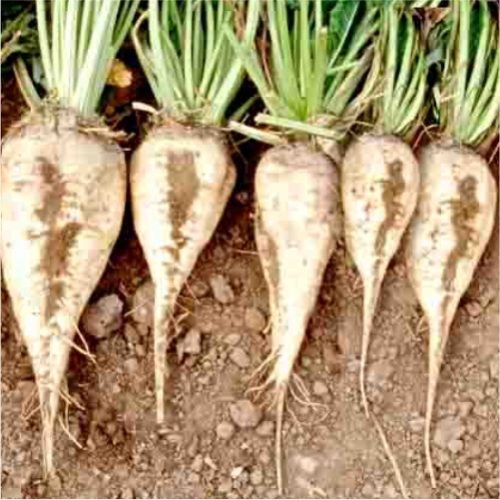
As part of the proposed reforms, selected mills will gradually transition toward sugar beet-based production.
According to the minister, Bangladesh currently achieves sugar recovery rates of around 5 percent from sugarcane, compared with a global average of approximately 10 percent.
Sugar beet, by comparison, can deliver recovery rates of around 15 percent while requiring only four-and-a-half to five months for cultivation.
He said the shorter crop cycle would allow farmers to use the same land for additional crops during the rest of the year.
Alongside changes in sugar production, the government plans to develop industrial parks on unused land owned by certain sugar mills.
The initiative is intended to attract fresh investment, generate employment and create new industrial activity.
“We are preparing attractive packages, including energy support and other incentives for investors. The objective is not necessarily to continue the old factories but to create new industries and jobs,” the minister said.
The minister also referred to challenges facing state-owned fertiliser factories, noting that despite being profitable, some facilities remain underutilised because of gas shortages, leading to increased fertiliser imports and foreign exchange outflows.
To address this, the government is considering a dedicated gas supply system for fertiliser plants to support year-round operations and reduce import dependence.
He added that a similar investment-focused approach could also be extended to Bangladesh’s steel and engineering industries.
The seminar was attended by officials and industry representatives, including Barrister Mutasim Billah Faruqui, Member (Tax Policy) of the National Board of Revenue, and SME Foundation Managing Director Anwar Hossain Chowdhury. The session was chaired by ERF President Doulot Akter Mala and moderated by General Secretary Abul Kashem.














