
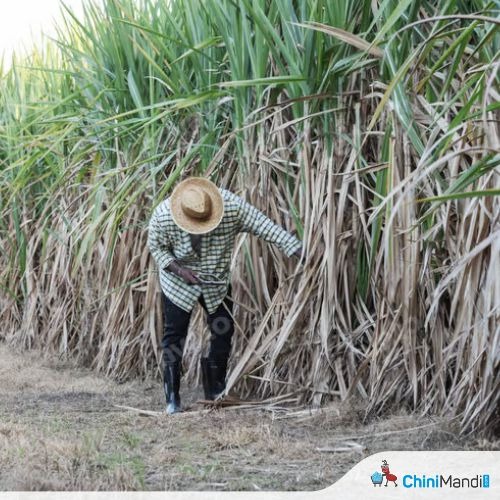
The future of the sugar industry in Belize continues to face uncertainty despite improved production during the ongoing 2026 crop season, with rising fuel prices and limited fertilizer access emerging as major concerns for farmers and businesses.
The 2026 sugarcane harvesting season officially began in January, with production initially expected to rise by up to 20 percent. As the season approaches its conclusion, both sugar output and cane quality are reported to have improved compared to last year. However, industry stakeholders warn that growing input costs and supply challenges could affect next year’s production and sugar availability across the country, The San Pedro Sun reported.

The concerns are also extending to Belize’s tourism sector, particularly in destinations such as San Pedro, where tourism-driven businesses heavily depend on sugar for food and beverage operations. Coffee shops, bakeries and restaurants in the area are already dealing with higher sugar prices introduced earlier this year.
Some business owners said they have managed to avoid major price increases so far, though a prolonged reduction in sugar supply could force businesses to rely on imports, which may further increase operating costs and product prices.
The previous crop season had been severely affected by unfavorable weather conditions and the spread of Fusarium, a fungal disease that damaged sugarcane fields. Authorities said the disease is now largely under control after the Government of Belize and Belize Sugar Industries jointly launched a $2.5 million intervention programme to reduce its impact.
Despite this progress, officials say the industry remains under pressure. Executive Director of the Sugar Industry Research and Development Institute (SIRDI), Marcos Osorio, described the situation as critical, pointing to climate-related challenges and weak financial conditions among farmers.
Osorio said many growers lack the financial resources needed to invest in field maintenance and crop management practices, warning that production could decline further if additional support is not provided. He urged industry associations to develop strategies and use available fair-trade premiums to help farmers improve cultivation practices.
He also raised concerns about the sugar mill in Orange Walk Town, saying the facility requires significant annual investment and operational costs. According to Osorio, if sugarcane production falls to around 500,000 tonnes, the mill’s long-term viability could become uncertain. Industry projections typically target nearly 950,000 tonnes of sugarcane deliveries to the mill each year.
While the current crop season is expected to perform better than the previous year, industry experts remain concerned about the outlook for the next season. The ongoing sugarcane harvest is expected to conclude during the second week of June.














