The Union Cabinet, chaired by Prime Minister Narendra Modi, approved GOBARdhan, the National Circular Bioenergy Scheme, with a total outlay of Rs 23,731 crore, the Press Information Bureau (PIB) said.
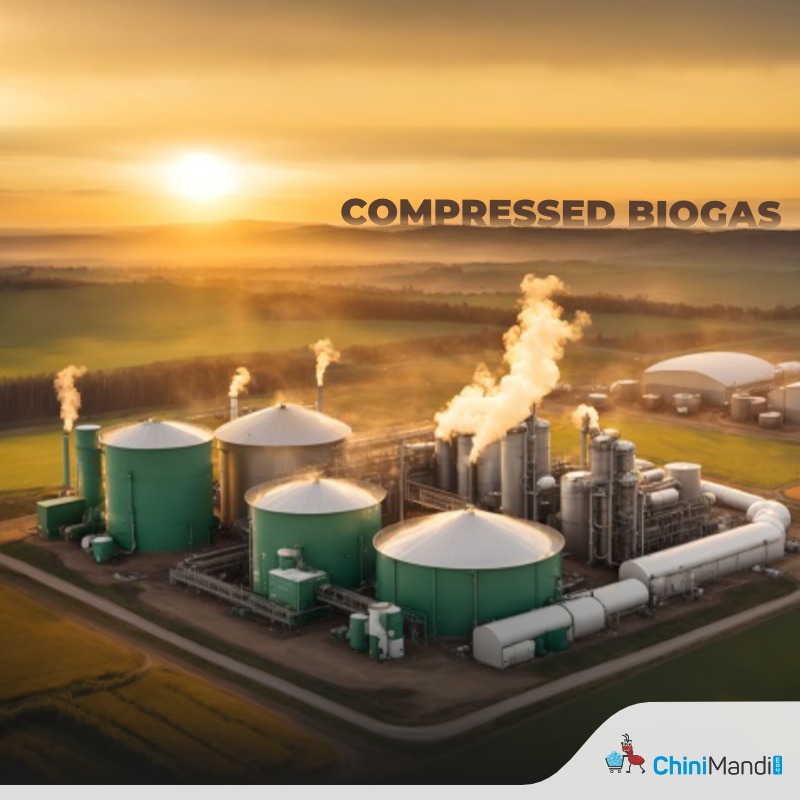
The scheme will convert agricultural residue, cattle dung, press mud, municipal organic waste and other biomass resources into clean fuel, organic manure and rural income, according to the release. It will be implemented from FY 2026-27 to FY 2035-36 and aims to establish Compressed Biogas (CBG) as a major pillar of India’s future energy mix, with domestic CBG production expected to grow nearly ten-fold.

The release stated that the scheme, administered by the Ministry of Petroleum and Natural Gas, brings the entire CBG value chain under one integrated platform through six components covering offtake, pricing, capital support, infrastructure, credit and ecosystem development.
Under the assured offtake component, City Gas Distribution (CGD) entities will procure CBG to meet a notified blending obligation of 3 per cent in FY 2026-27, rising to 4 per cent in FY 2027-28 and 5 per cent from FY 2028-29 onwards in the CNG (Transport) and PNG (Domestic) segments. The scheme also introduces a stable administered CBG price of Rs 2,110 per Metric Million British Thermal Unit (MMBTU), backed by a government pricing framework with a minimum ten-year horizon, according to the PIB release.
Eligible greenfield CBG projects will receive capital assistance of up to Rs 2 crore per tonne per day (TPD) of installed capacity, extending to feedstock aggregation and organic manure processing assets, with brownfield capacity expansions also eligible. The scheme further provides for cluster-based and standalone pipeline infrastructure connecting CBG plants to trunk pipelines and CGD networks, a credit guarantee mechanism to support institutional lending to MSME-based projects, and a CBG Ecosystem Challenge Fund to support district-level implementation, feedstock mapping and capacity building.
The release noted that the scheme builds on the foundation laid by earlier initiatives, including the Sustainable Alternative Towards Affordable Transportation (SATAT) initiative and the Market Development Assistance Scheme for organic manure, under which more than 200 CBG plants have been commissioned. The government said GOBARdhan is expected to strengthen energy security, mobilise private investment, boost rural livelihoods, support scientific waste management and expand the organic manure economy.