
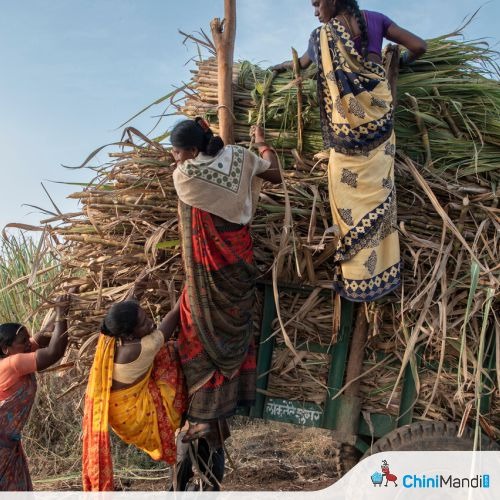
Beed: For thousands of migrant sugarcane workers from Maharashtra, access to healthcare often becomes a major challenge during the six-month harvesting season spent in remote labour camps near sugar factories. To address this long-standing issue, a pilot programme in Beed district is training women workers to provide basic medical assistance directly at worksites.
Among those leading the change is 32-year-old Sadhana Satish Waghmare from Kathoda village in Beed district. After returning from sugarcane harvesting work near Kolhapur this year, she came back with a first-aid kit and a new role that earned her the nickname “Doctor Tai” among fellow villagers, The Indian Express reported.

Waghmare is one of hundreds of women trained under the ‘Arogya Sathi’ initiative, launched by the Beed district administration in collaboration with the Mahila Ustod Kamgar Sanghatana. The programme aims to provide basic healthcare support to migrant sugarcane workers living and working in remote areas.
Under the initiative, one woman volunteer was selected for every 100 sugarcane workers through village panchayats and linked with Primary Health Centres for training and referral services. According to district officials, 923 women workers were identified and trained under the programme.
Waghmare said the training enabled women to handle common illnesses and injuries in the fields, where access to doctors is often limited. The volunteers were taught wound care, first aid, the use of basic medicines for fever, cough, diarrhoea and vomiting, and menstrual hygiene practices.
The programme was developed in response to years of concerns raised by organisations working with migrant labourers from drought-prone districts such as Beed and Hingoli. Every year, thousands of workers migrate to western Maharashtra and Karnataka for sugarcane harvesting and often live in temporary settlements lacking adequate healthcare, sanitation, toilets and clean drinking water.
The original ‘Arogya Sakhi’ model was developed nearly three years ago by the Mahila Ustod Kamgar Sanghatana with support from MAKAAM, Society for Promoting Participative Ecosystem Management and SATHI-Anusandhan Trust before being proposed to the government.
According to Manisha Tokle, the initiative was designed to reduce dependence on private clinics and medicine shops, which often add to the financial burden of already indebted workers.
Officials said the government pilot was structured around the most common health problems reported by migrant labourers, including skin infections, fever, body pain and workplace injuries. First-aid kits carrying the Zilla Parishad logo were distributed to trained volunteers.
The model also demonstrated encouraging results during its early phase. Seema Kulkarni said records maintained by 12 trained Arogya Sakhis showed that between November 2023 and March 2024, they provided assistance to 349 patients through 855 interventions covering illnesses, injuries, dehydration and menstrual health issues. Organisations involved in the programme estimated that workers collectively saved nearly Rs 4.27 lakh in healthcare expenses.
Despite the positive outcomes, activists and workers have raised concerns about the government-led expansion of the initiative. They alleged that training sessions were conducted too quickly, follow-up support was inadequate and selection of volunteers in some villages was influenced by local power structures rather than targeting active migrant labourers.
Some workers also reported that the medicines supplied under the programme were exhausted within a few days, as entire labour groups relied on a single kit and no refill supplies were provided later.
Another important component of the programme focused on menstrual and reproductive health. Activists said the initiative sought to encourage women to seek timely medical treatment and avoid unnecessary hysterectomies, while also highlighting the need for institutional healthcare support and wage protection during periods of illness.
District Health Officer Ulhas Gandal said the administration plans to review feedback from women who have returned from sugarcane work and identify shortcomings in the implementation process before expanding the programme further.
Officials have also sought additional funding to strengthen the initiative, which is increasingly being viewed as a potential model for improving healthcare access among migrant agricultural workers in remote areas.














