The Dutch government’s proposed sugar tax aimed at encouraging healthier consumption habits may also lead to higher beer prices, even though beer itself is not being targeted for sugar content.
According to reports citing government correspondence and policy discussions, planned changes to taxation on sugary beverages are expected to affect beer pricing because of the way beverage pricing structures are linked across categories.

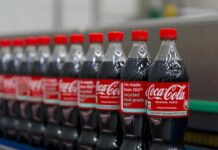
Under current proposals, the price of a one-litre bottle of soft drink could rise by around 25 euro cents, while beer prices may increase by approximately €1 per crate.
The proposal originates from the coalition agreement of the Jetten I Cabinet, which included plans to introduce a tax on products containing more than six per cent sugar. The measure is intended both to generate around €900 million in revenue and encourage healthier consumer choices.
Public Health Minister Sophie Hermans and Finance State Secretary Eelco Eerenberg are currently examining implementation options.
Government officials expect some opposition from fruit juice producers but believe applying the tax to soft drinks could be more straightforward because the Netherlands already operates an existing tax framework for non-alcoholic beverages. That system currently applies to most drinks except mineral water, dairy-based products and soy beverages.
Extending taxation directly to sugar content across food products is viewed as significantly more complex.
According to individuals familiar with the discussions, the challenge resembles earlier attempts to reduce value-added tax on fruit and vegetables.
In 2023, researchers from SEO Economisch Onderzoek advised against plans to cut VAT on fruit and vegetables to zero, arguing that implementation and legal challenges created significant risks. Concerns included difficulties in defining eligible products and the administrative costs associated with the policy.
Unlike the current sugar tax proposal, the earlier VAT reduction plan was designed to make healthier food options more affordable rather than increase prices.
Additional concerns over food inflation have also emerged. Earlier this month, the supermarket association CBL warned that grocery prices could rise by around 10 per cent next year, partly due to policy measures including the proposed sugar tax, truck toll charges and energy-related levies.
The sugar tax proposal remains under review as the government evaluates how to balance public health objectives with affordability concerns and implementation challenges.