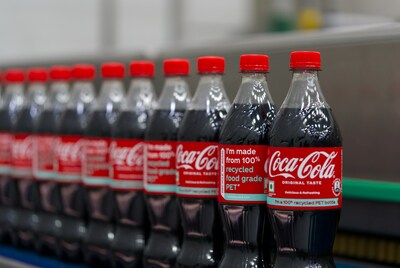
Manila: Sugar industry stakeholders in the Philippines are urging the Sugar Regulatory Administration (SRA) to support changes to the country’s sweetened beverage tax, including a higher levy on drinks made with artificial or alternative sweeteners and a lower rate for beverages using locally produced cane sugar, reported Business Inquirer
The proposal has been submitted in connection with the Promoting Growth, Revenue, and Equity towards Socio-Economic Sustainability (ProGRESS) Bill, part of the government’s tax reform agenda. Major sugar industry groups have asked SRA Administrator Pablo Luis Azcona to back the proposed changes, arguing that cheaper alternative sweeteners are steadily eroding the domestic market for Philippine sugar.

The groups said beverages using sucralose, aspartame, saccharin and acesulfame potassium currently fall under the same Philippines peso (PHP) 6-per-litre tax bracket as cane sugar. High fructose corn syrup (HFCS) is taxed at PHP 12 per litre, while pure stevia is exempt.
They argued that high-intensity sweeteners can be hundreds of times sweeter than sugar and are imported at low or zero tariff rates under regional trade agreements, giving them a cost advantage over locally produced cane sugar.
The industry groups have proposed a PHP 40-per-litre tax on beverages sweetened with anything other than pure cane sugar, including products using blends of alternative sweeteners, as well as imported sweetened beverages. At the same time, they want the tax on beverages manufactured in the Philippines using only locally produced pure cane sugar to remain at PHP 6 per litre.
They have also called for the removal of the tax exemption for pure steviol glycosides, while retaining the exemption for pure coconut sap sugar. The groups further proposed raising the annual indexation of the tax brackets to 6% from the 5% increase suggested by the Department of Finance.
For flavoured milk and sweetened coffee, the industry has recommended a uniform P6-per-litre tax regardless of the sweetener used, with the proposed cane-versus-non-cane treatment applied separately.
The groups also said that if Congress adopts a content-based tax, the system should focus on the level of sweetness rather than simply measuring the quantity of sugar used in a beverage.
According to data submitted by the sugar industry, artificial sweeteners accounted for 18.4% of the overall market in crop years 2023-24 and 2024-25, equivalent to 503,117 metric tonnes in sugar-equivalent terms. During the same period, demand for refined sugar fell 13.89%, while the share of Philippine sugar declined to 59.35% from 65.77%.
HFCS demand also weakened, with volumes falling to 15,901 tonnes and its market share dropping to 11%. The industry groups said the data indicated that artificial sweeteners were gaining market share at the expense of cane sugar.
The sugar industry said the shift was placing additional pressure on a sector that supports more than five million Filipinos and is already dealing with climate-related risks, including El Niño, flooding and the red-striped soft scale insect (RSSI) infestation.