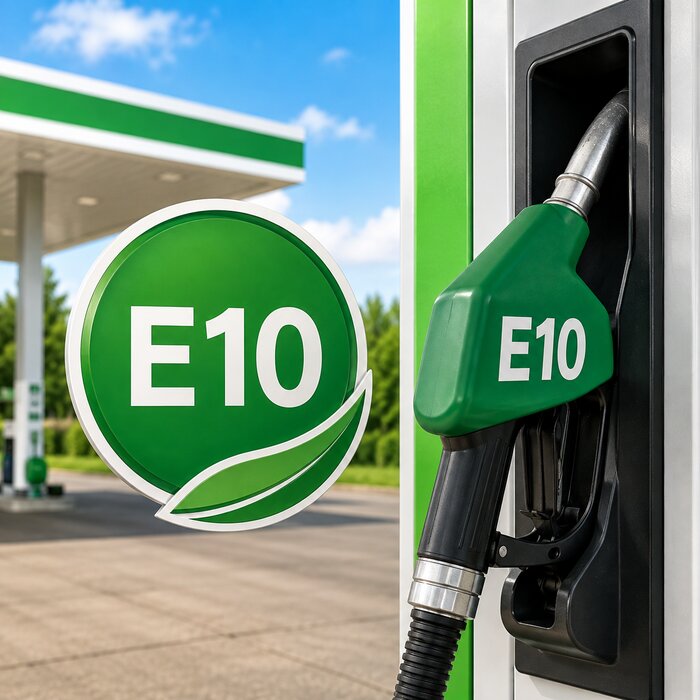
New Delhi: The possibility of bringing E10 petrol back is being considered, with Bharat Petroleum Corporation Ltd. (BPCL) Chairman and Managing Director Sanjay Khanna saying that the existing infrastructure can be used to dispense the lower ethanol blend. However, no final decision has been taken yet, Mint reported.
Khanna said on Thursday that oil marketing companies (OMCs) are ready to supply petrol containing up to 10% ethanol through the existing distribution network. Mint had reported earlier on Thursday that the Centre and OMCs were considering introducing E10 petrol through the existing Octane 95 network by reducing the ethanol content in the premium petrol variant. This would avoid the need for additional infrastructure.

“Various aspects are being considered, but nothing has yet been finalized,” Khanna said. On whether infrastructure would need to be changed or added for dispensing E10 petrol, he said no major changes would be required. BPCL is already dispensing E20 petrol, and switching to E10, if required, would not pose a challenge for the company, he said.
Ethanol blending plan
The consideration of E10 comes after Chief Economic Adviser V. Anantha Nageswaran supported the availability of a lower ethanol blend option. In a recent column in The Indian Express, he said that restoring E10 at fuel pumps along with the option to purchase E20 could address most public concerns.
Khanna clarified that there is no plan to reverse the country’s ethanol blending target to 10%. Instead, discussions are focused on making E10 petrol available alongside E20.
He said one option being examined is to provide E10 petrol for older vehicles. The discussions include whether oil companies can manage the supply requirements and handle another motor spirit grade at the same time. He said the exact form and extent of the proposed arrangement are still being worked out at different levels.
The ethanol blending programme is aimed at reducing India’s dependence on crude oil imports. The country’s annual crude oil import bill generally exceeds $120 billion. India began its ethanol blending programme with a pilot project in 2001, while E5 petrol was introduced in 2006. Ethanol blending stood at around 1.53% in 2013 to 14 but has increased steadily since then.
India’s oil supplies remain safe
Khanna also spoke about India’s oil supply situation amid the ongoing war in West Asia and the United States’ plans to impose additional tariffs on countries importing Russian energy. He said that although the situation remains volatile because of the need to diversify supply sources, India’s oil supplies are currently “safe”.
Earlier this month, the US Senate passed a bill proposing tariffs of up to 100% on major buyers of Russian oil and gas, including India. The bill is expected to be taken up by the House of Representatives in September.
BPCL Director (Finance) Vetsa Ramakrishna Gupta said the company had made crude oil arrangements for September and was procuring supplies for October.
Gupta said BPCL would receive its first Iraqi oil cargo of the current financial year in the next few days. The company is also willing to purchase more oil from suppliers in the Gulf on a free on board basis, subject to the availability of ships.
He said BPCL had managed to secure a vessel whose owner was willing to transport the cargo to Fujairah and carry out a ship to ship transfer.
Iraq has traditionally been one of India’s major oil suppliers. However, supplies from the country have been severely affected by the war and the closure of the Strait of Hormuz.
Gupta said BPCL was willing to lift oil cargoes from within the Strait of Hormuz if insurance costs remained reasonable and ship owners were prepared to accept the associated risk.