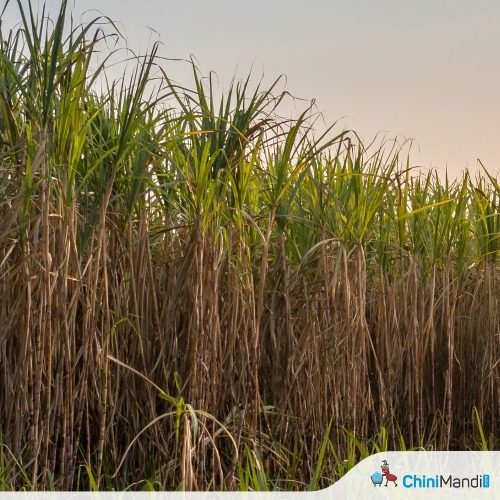
Balrampur: Heavy rainfall and waterlogging are increasing the risk of red rot disease in sugarcane fields in parts of Uttar Pradesh, raising concerns among farmers about crop yields and potential losses.
The threat has been reported in the Rehra Bazar area of Balrampur district, where farmers said their sugarcane crop is currently in good condition but continued rain and high moisture levels could encourage the spread of the disease, Bhaskar reported.

Red rot, often described by agricultural experts as the “cancer of sugarcane”, can significantly reduce production if it is not detected and controlled at an early stage.
Farmers in the area said the disease becomes difficult to control once it spreads through a field. They are therefore closely monitoring their crops during the ongoing rainy season.
Agriculture experts have advised sugarcane growers across Uttar Pradesh to regularly inspect fields for early symptoms. Infected plants may develop yellow leaves, while cutting the stem can reveal red-coloured tissue with white patches. A foul smell may also develop in severely affected plants.
Farmers have been advised to immediately remove and destroy infected plants to limit the spread of the disease. Experts also recommended using certified, disease-free planting material and maintaining proper drainage to prevent water from accumulating in fields.
Balanced fertiliser use and crop rotation were also suggested to reduce the risk of disease.
The development is significant for Uttar Pradesh, one of India’s major sugarcane-producing states, where the crop supports a large number of farmers and sugar mills.
Farmers in Balrampur have urged the agriculture department to organise awareness programmes in villages and provide timely technical guidance on disease identification and control.
With the monsoon continuing, regular monitoring and effective drainage could be crucial for protecting Uttar Pradesh’s sugarcane crop from red rot and limiting potential losses.