
India is expanding the use of peanut-sugarcane intercropping to increase domestic oilseed production without bringing additional farmland under cultivation, reported UkrAgroConsult.
The initiative, developed by CIMMYT and the Indian Council of Agricultural Research, involves planting early-maturing peanut varieties between sugarcane rows during the initial months of the cane crop cycle.

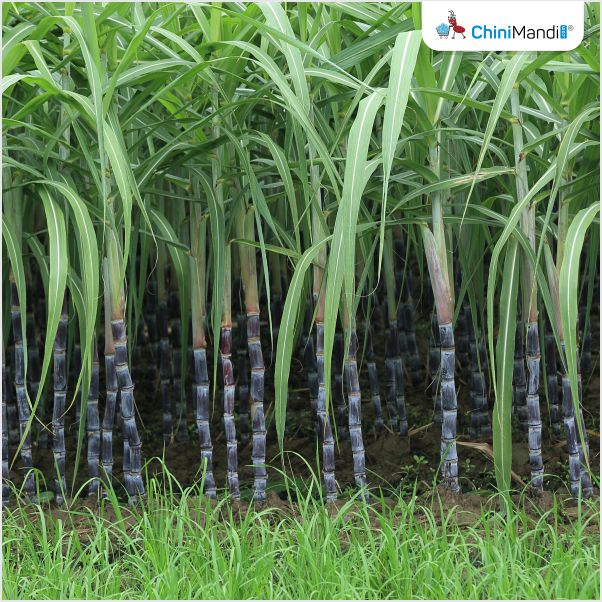
The system uses the vacant space between sugarcane rows, traditionally spaced 60-120 cm apart. The peanuts are harvested before the sugarcane canopy expands and shades the inter-row area, allowing farmers to grow an additional oilseed crop without reducing the land devoted to sugarcane.
The project also points to potential agronomic benefits. As a legume, peanuts can contribute to nitrogen fixation, while their ground cover can help retain soil moisture and suppress weeds. Trials showed that sugarcane yields increased by 10% when grown alongside peanuts.
The approach could also support India’s efforts to reduce its dependence on imported vegetable oils, which account for around 60% of domestic requirements.
Uttar Pradesh alone has about 2.7 million hectares under sugarcane cultivation. Project estimates show that introducing peanut intercropping on 20% of this area could add 652,800 tonnes of peanuts annually to domestic production.
The Uttar Pradesh government has already launched a programme to expand the system across 1 million hectares of sugarcane plantations, supported by scientific assistance, seed development and mechanisation.
For India, which is seeking to improve self-sufficiency in oilseeds, the model offers a way to increase domestic oilseed production and expand the feedstock base for vegetable oil without requiring additional agricultural land.














