Government reforms in Kenya’s sugar sector are beginning to boost production and farmer earnings while easing retail sugar prices, as efforts to lower input costs and revive struggling mills gather pace, reported Ghafla.
The reforms have focused on reducing farm input costs, increasing sugarcane production, improving mill operations and ensuring better returns for farmers.

In Teso South, farmer Violet Otwane said the price of a 50kg fertiliser bag has fallen from as high as Kenyan Shilling (KSh) 7,000 to around KSh2,500. Higher cane prices have also encouraged farmers to consider returning to sugarcane farming.
The sector’s recovery is reflected in production data. Sugar output rose from 472,773 tonnes in 2022 to 815,454 tonnes, while the area under sugarcane increased 19.4% to 715,693 acres.
The Sugar Act, 2024, also established a new regulatory framework by re-establishing the Kenya Sugar Board.
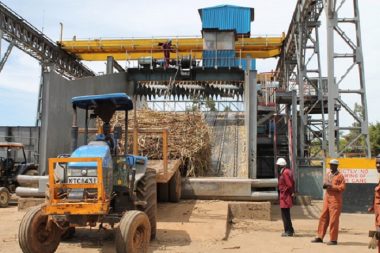
The government has leased four state-owned mills namely Nzoia, Chemelil, South Nyanza (SONY) and Muhoroni to private operators for 30 years. The leases are aimed at attracting investment, rehabilitating the factories, improving operations and increasing cane intake and capacity utilisation.
Farmer earnings have also risen. Cane growers earned an estimated KSh33.5 billion in the seven months to July, up 52.3%, while cane deliveries increased to 5.94 million tonnes from 4.12 million tonnes. The average cane price rose to KSh5,643 per tonne from KSh5,343.
Sugar production reached 528,874 tonnes during the seven-month period, up 44.5% from 366,007 tonnes a year earlier. July production more than doubled to 91,022 tonnes from 42,255 tonnes in July 2025.
Higher domestic output has also eased consumer prices, with the average retail price of sugar falling 3.1% to KSh167.02 per kg from KSh172.36.
Further growth is expected from the Bura Irrigation Scheme in Tana River County, where a 50,000-acre sugarcane estate is being developed. The project is expected to produce 1.2 million tonnes of cane and about 120,000 tonnes of sugar annually, besides generating ethanol and electricity from bagasse.
Despite the gains, farmers are seeking further reductions in harvesting, transportation and other production costs to ensure higher cane prices translate into stronger net incomes.
The developments point to a sector undergoing significant changes, with rising cane deliveries, production and farmer earnings, alongside revived mills and lower retail sugar prices.