
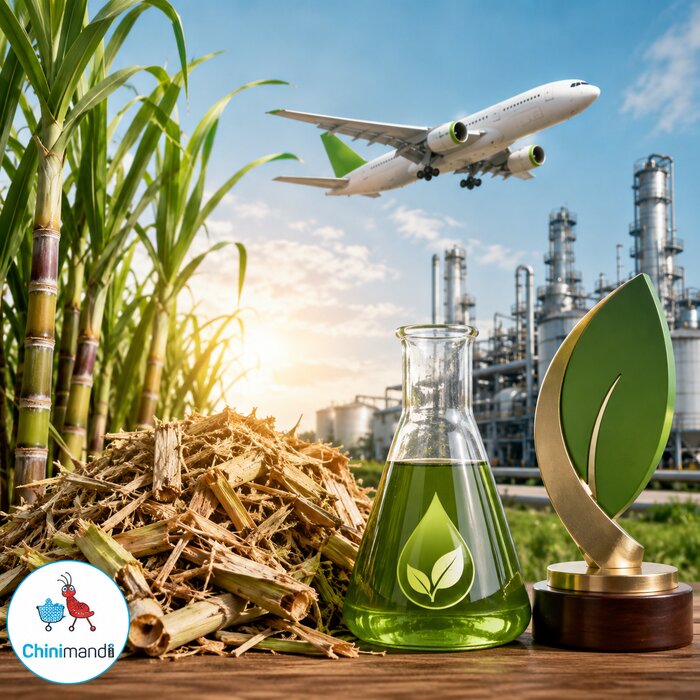
MAIRE’s Nextchem has secured a technology and engineering contract for an Australian project that could produce up to 125,000 tonnes of sustainable aviation fuel (SAF) a year using sugarcane waste.
Through its subsidiary MyRechemical, Nextchem has been awarded the licence, Process Design Package and engineering services for the syngas section of Project Lion, a planned sustainable fuels facility in Queensland’s Burdekin region. The award was given by SKY Renewables Burdekin Pty Ltd, Indian Chemical News reported.

Project Lion will use sugarcane tops and trash collected locally as its main raw material. These agricultural residues are often burned in fields and will instead be converted into a useful source for low-carbon fuels.
Nextchem will use its NX Circular Gasification technology to process the sugarcane waste and produce purified syngas. The syngas will then be converted into SAF and renewable diesel using technologies provided by other companies.
At full capacity, the project is expected to produce up to 125,000 tonnes of SAF each year.
The project is aimed at making better use of agricultural waste while creating a local source of raw material for cleaner fuels. It is also expected to support more sustainable use of biomass resources in the Burdekin region.
Fabio Fritelli, Managing Director of Nextchem, said the award underlined the importance of the company’s technologies in producing sustainable fuels from renewable and waste materials.
“We are proud to contribute to a project of this kind in Australia,” Fritelli said, adding that the country is becoming increasingly important to the development of the sustainable fuels industry and the company’s efforts to expand its portfolio.
He said the company’s gasification technology would help convert locally available sugarcane residues into low-carbon fuels while addressing the aviation sector’s need to reduce emissions.
The award further strengthens Nextchem’s presence in the growing market for fuels made from renewable and waste materials and highlights the potential of agricultural residues to contribute to the decarbonisation of aviation.














