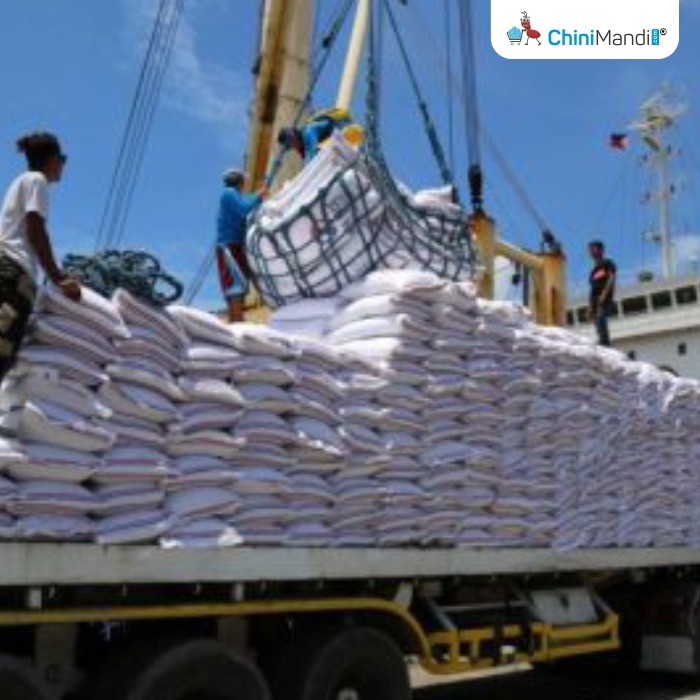
Manila: The Philippines may need to increase sugar imports as low farm productivity and rising production costs continue to constrain domestic output, reported Philstar Global, citing a report by the University of Asia and the Pacific-Center for Food and Agri Business (UA&P-CFA).
The country’s sugarcane farms produce an average of 55-60 tonnes per hectare, well below the target of 75 tonnes, the report said. Limited access to high-yielding varieties, crop diseases and traditional farming practices, along with small and fragmented landholdings, have restricted productivity.

Domestic sugar production accounts for only around 80% of the country’s supply, making imports necessary to meet demand. Thailand, the Philippines’ main sugar supplier, benefits from lower production costs through large-scale and mechanised farming, the report noted.
The industry also faces high expenses for fertiliser, fuel, labour and transportation. Ageing mills, underutilised facilities and inadequate farm-to-market roads further add to costs and affect sugar recovery.
The report called for wider adoption of high-yielding, disease-resistant cane varieties, improved farming practices and modernisation of existing mills. Better farm-to-mill infrastructure, investment in value-added processing and greater use of sugarcane by-products such as molasses and bagasse for bioethanol, animal feed and bioenergy could also strengthen the sector.
Competition from imported high-fructose corn syrup is another challenge for domestic producers, it said.
Philippine sugar production is expected to decline by at least 10% this year to 1.66 million metric tonnes due to the combined impact of El Niño and pest infestations, according to the Sugar Regulatory Administration.