
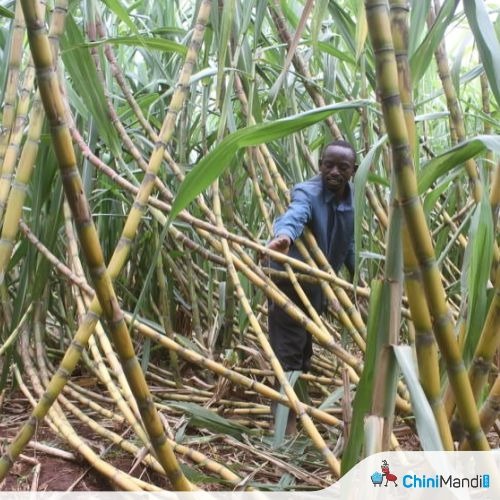
Sugar production in the Philippines’ Negros Island Region is expected to decline in the next harvest season as the red-striped soft scale insect (RSSI) infestation continues to spread across sugarcane fields, according to Negros Occidental Governor Eugenio Jose Lacson.
Lacson said various measures are being considered to address the pest outbreak, but authorities are continuing to assess the extent of the infestation, The Manila Times reported.

“Many ideas are being brought up on how to address RSSI. We will continue to study that. What is important to monitor is how widespread it has affected us,” he said.
The governor did not disclose how much funding the provincial government would allocate to tackle the infestation, noting that disaster preparedness, particularly for typhoons, remains a priority.
“It’s only June, and major typhoons have not yet hit us. We have to be careful with our disaster budget and balance our spending because this was not planned,” Lacson said.
He said the task force formed to address the RSSI outbreak is scheduled to meet on July 10 to discuss further measures.
Warning of the impact on the sugar industry, Lacson said sugar production would decline while growers were already facing low sugar prices.
“Our crop will go down coupled with low prices. It’s a serious setback for the sugar industry,” he added.
According to the Sugar Regulatory Administration, the RSSI infestation has affected 16,019.16 hectares of sugarcane plantations across the Negros Island Region, based on figures presented during a stakeholders’ forum held on Monday.
Negros Occidental has been the hardest-hit province, with 14,447.83 hectares affected, impacting 5,435 farmers across 365 barangays.
In response to the growing outbreak, the Negros Occidental Provincial Board approved a resolution during its regular session on Tuesday recommending that the entire province be placed under a state of calamity due to the RSSI infestation.
The resolution, which has been signed by Governor Lacson, cited widespread crop damage and the threat posed by the sap-sucking pest to the province’s agriculture sector.
The declaration of a state of calamity will allow local government units to access quick response funds and implement emergency measures to contain the infestation.














