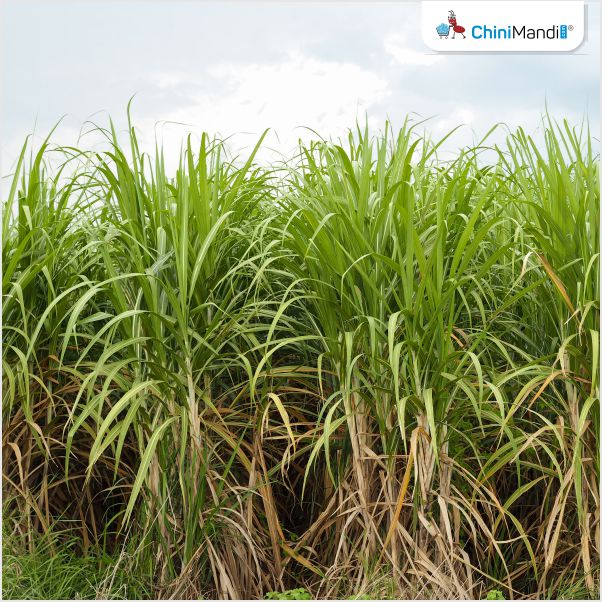
Visakhapatnam: Emerging El Niño conditions and an erratic southwest monsoon have raised concerns over sugarcane cultivation in Andhra Pradesh, with farmers, traders and agriculture experts warning of lower cane production and a further decline in jaggery output if rainfall remains below normal.
Sugarcane, one of the state’s major cash crops, has already seen a sharp fall in acreage over the past decade. The crop was grown on nearly 1.25 lakh hectares in 2014, with north coastal Andhra Pradesh emerging as a key sugarcane belt. However, the area under cultivation has now declined to around 40,000 hectares as farmers shifted to paddy, maize and pulses amid rising cultivation costs, labour shortages and the closure of several sugar mills, The Times of India reported.

The uncertain monsoon has added to growers’ concerns this year. Since sugarcane is a long-duration crop that depends heavily on irrigation, many farmers are waiting for adequate rainfall before taking up planting.
Agriculture experts said sugarcane is among the crops most vulnerable during El Niño years, when below-normal rainfall often affects reservoir storage and groundwater levels. They cautioned that acreage and yields could decline further if rainfall does not improve in the coming weeks.
“Reservoir storage and groundwater availability are critical for sugarcane cultivation. A prolonged rainfall deficit could reduce both acreage and productivity,” agriculture experts said.
One of the sugarcane farmers from north Andhra Pradesh, said many growers are reluctant to plant cane despite its better returns compared with paddy.
“Labour shortages, rising cultivation and harvesting costs, and the closure of sugar mills have already forced many farmers to shift to other crops. If El Niño conditions persist, sugarcane cultivation could decline further this season,” he said.
The impact is expected to extend beyond farms to the state’s jaggery industry. Anakapalle, known for its traditional jaggery production and home to the country’s second-largest jaggery market, has witnessed a steady decline in production in recent years due to lower sugarcane availability.
“Jaggery production is likely to be affected if poor rainfall continues. Lower sugarcane yields will reduce juice recovery and cane availability for jaggery making,” said another, a sugarcane grower from Anakapalle, adding that many farmers are delaying sowing until rainfall improves.
The Anakapalle jaggery market has also recorded a sharp decline in arrivals over the years. According to Sharath Kumar KV, a third-generation jaggery trader, annual arrivals have fallen from nearly 40 lakh jaggery lumps a decade ago to just 5-7 lakh lumps.
“If rainfall remains weak and sugarcane production declines further, jaggery arrivals are expected to fall again this year,” he said.
Industry participants said the progress of the southwest monsoon over the next few weeks will be crucial for sugarcane cultivation and the future of Andhra Pradesh’s jaggery industry.