
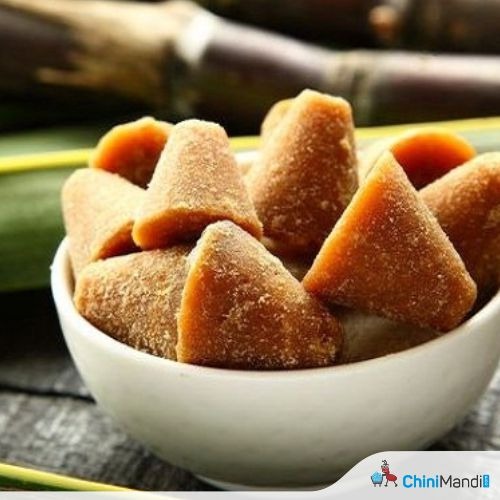
Muzaffarnagar’s renowned jaggery has received Geographical Indication (GI) tag status, a development expected to strengthen its identity in domestic and international markets while benefiting farmers, producers and traders associated with the sector.
The district’s jaggery was selected under the One District One Product (ODOP) scheme and has now been granted GI recognition, according to the District Industries Promotion and Entrepreneurship Development Centre, Hindustan reported.

Assistant Commissioner of Industries Ashish Kumar said a GI tag is a special certification granted to products based on their geographical origin and unique characteristics. The recognition establishes the product’s identity globally and gives producers from the designated region collective rights over its production and branding.
With support from the National Bank for Agriculture and Rural Development (NABARD), 77 products from Uttar Pradesh have already received GI status. Muzaffarnagar jaggery has now joined this list, highlighting the district’s rich agricultural tradition, cultural heritage and collective intellectual property.
Known across India for producing high-quality jaggery, Muzaffarnagar is expected to benefit from improved market access following the GI recognition. Officials said the certification would help farmers, jaggery manufacturers and traders expand into new markets while enhancing the product’s value and reputation.
The achievement has been credited to efforts by the Uttar Pradesh Department of Science and Technology and is being viewed as a major milestone for the district’s jaggery industry.
The District Industries Promotion and Entrepreneurship Development Centre has urged all jaggery producers and traders in the district to register their products and vacuum-packaged jaggery under the GI framework. Officials said registration would help improve product quality, brand value and marketing opportunities.
Muzaffarnagar is widely recognised as the jaggery capital of India and is home to Asia’s largest jaggery market. The district’s annual jaggery trade is estimated at more than Rs 4,500 crore.
The region has around eight sugar mills and more than 3,500 traditional jaggery-processing units. During the sugarcane crushing season, nearly 80,000 bags of jaggery are produced daily. The district is also known for producing approximately 118 varieties of jaggery, making it one of the country’s most significant centres for jaggery production and trade.














