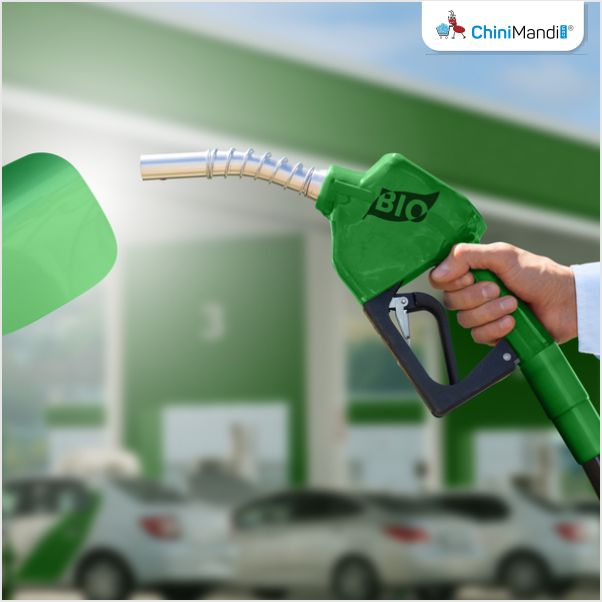
Vietnam is facing growing challenges in securing raw materials such as cassava and maize for ethanol production, even as demand for E10 RON95 biofuel continues to increase, Vietnam Pictorial reported.
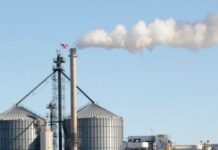
According to the Vietnam Biofuels Association, the country currently has six ethanol plants with a combined capacity of about 600,000 cubic metres per year. At full utilisation, these facilities could meet nearly 40 per cent of the demand for E10 blending. However, inconsistent supply of feedstock remains a major hurdle.

Industry officials said most ethanol in Vietnam is produced from cassava, which has limited availability and lower efficiency, leading to higher production costs. Experts noted that cassava cultivation has been declining due to falling yields, soil degradation and environmental concerns, along with fragmented farming and low mechanisation.
Nguyen Tri Ngoc of the Vietnam General Council of Agriculture and Rural Development said while cassava cultivation for ethanol has been promoted, its long-term sustainability depends on better policies and farming practices.
From the industry side, companies said they rely on both cassava and maize for ethanol production. While cassava is sourced domestically, maize is procured from both local markets and imports from countries such as Argentina, Brazil and the United States. Maize is seen as more reliable due to stable supply and consistent quality, whereas cassava remains seasonal with fluctuating prices.
Experts stressed the need to strengthen links between farmers, cooperatives and processing companies to ensure steady supply. They said firms must provide assured purchase agreements and better prices to encourage farmers to grow feedstock crops.
In addition, the use of agricultural by-products such as bran, straw and corn cobs has been suggested as a cost-effective way to support ethanol production while reducing waste.
Industry leaders also called for stronger policy support, including clear identification of cultivation zones for maize and cassava, along with improved transport and irrigation infrastructure to lower costs.
They further suggested tax incentives for ethanol projects and maintaining current import duties to protect domestic producers, as Vietnam looks to expand its biofuel sector in the coming years.