
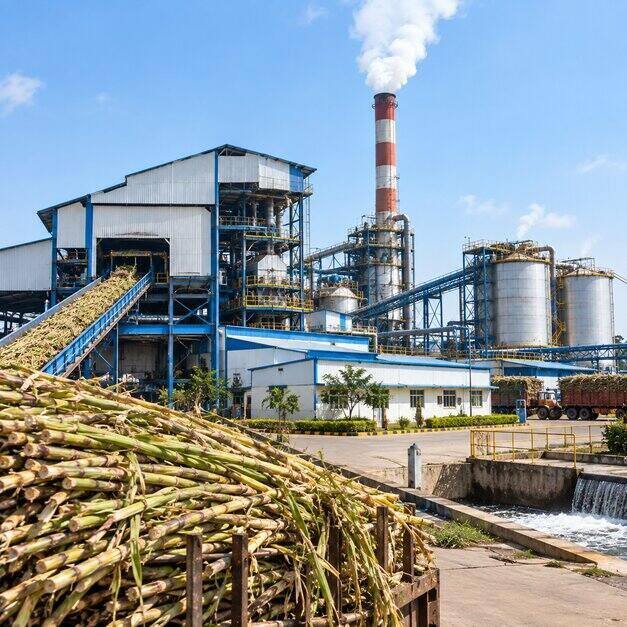
Zimbabwe’s Parliament has directed the Zimbabwe National Water Authority (ZINWA) and Zesa Holdings, the country’s electricity provider, to prioritise reliable water and electricity supplies to the sugar industry after an inquiry found that farmers were being charged for water they did not receive and losing yields due to power cuts, reported Herald Online.
The Parliamentary Portfolio Committee on Industry and Commerce, chaired by Clemence Chiduwa, examined the sugar value chain following visits to Triangle and Hippo Valley estates and hearings with industry players and government agencies.

The committee found that ZINWA was charging cane farmers US$6.82 per megalitre based on allocated volumes rather than actual consumption. Farmers in the Lowveld require about 15 megalitres per hectare annually, but inadequate conveyance infrastructure and illegal upstream water abstraction are limiting supplies.
Farmers have consequently been forced to drill boreholes or buy water from bulk suppliers while continuing to pay ZINWA for their allocations.
Power shortages are also affecting production. Farmers using electricity-dependent overhead irrigation face average monthly bills of ZW1,799.73 per hectare, with ZETDC charging an average US$4.75 per kWh. The committee found that outages during critical irrigation periods have resulted in yield losses.
The committee also highlighted the lack of preferential electricity tariffs for Hippo Valley and Triangle mills, which generate power from bagasse and feed electricity into the national grid during the off-season.
ZETDC said it is deploying smart-grid technology to prioritise sugar mills and irrigators during outages by reducing supplies to non-essential loads. Solar irrigation projects are also planned for the Lowveld under the Advanced Net Metering initiative.
The committee has called for consumption-based water billing and rehabilitation of conveyance infrastructure to reduce water losses by 30% by December 31, 2026.
It also recommended rehabilitating at least half of the rail infrastructure serving the sugar industry by the same date to cut transport costs by 20%. The collapse of rail services has forced the sector to move cane and coal by road.
The committee said the industry now uses about 1.3 million litres of diesel a month to transport coal from Hwange, costing US$2.457 million. Coal accounts for more than 5% of refined sugar costs, while road transport is significantly more expensive than rail.
Local sugar costs US$890-900 per tonne, compared with an import parity price of US$600 per tonne.
Other recommendations include recapitalising the National Railways of Zimbabwe, providing bankable land tenure to 70% of out-growers within two years, establishing concessional financing below 15% interest and amending the Sugar Production Control Act of 1964.
The committee also called for an independent review of the Division of Proceeds, currently split 80.5% for farmers and 19.5% for millers, amid out-grower concerns over transparency in cane weighing.
The committee said reforms and investment could strengthen the sugar industry’s contribution to Zimbabwe’s economy.














