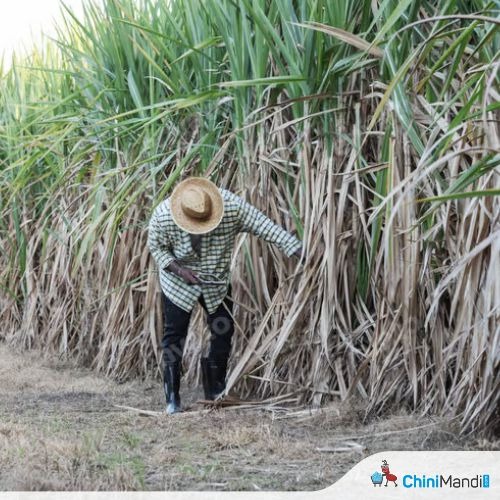
Tororo, Uganda: Sugarcane farmers in Agururu B3 Village, located in Tororo Municipality, have raised concerns over alleged exploitation by traders from Kenya, accusing them of purchasing cane at very low prices, The Independent reported.
The village, part of the Bukedi sub-region, has become a major centre for soft red sugarcane production in recent years, with an estimated annual output of over 30,000 tonnes. Many farmers had shifted to sugarcane cultivation due to its relatively stable returns.

However, farmers say the arrival of cross-border traders has disrupted the local market. According to them, traders visit farms directly with trucks and buy cane in bulk, often purchasing entire plantations.
Local leader Geoffrey Hasakya said the lack of farmer organisation has allowed traders to control prices. He claimed that cane is being bought at as low as 500 shillings per piece and later sold in Kenya for more than 2,000 shillings, leaving farmers with minimal returns.
He also alleged that traders selectively harvest mature and high-quality cane, leaving behind lower-grade produce that is difficult to sell locally.
Farmers said that while earlier prices ranged between 100 and 1,000 shillings per piece depending on size and quality, current bulk sales have not improved earnings, with prices remaining low.
The issue has been taken up with local authorities, with farmers demanding government intervention to regulate trade and ensure fair pricing.
In addition to pricing concerns, farmers are also facing a drop in yields. Hasakya noted that cane height has reduced significantly over the years, from seven to ten feet earlier to less than five feet now.
Another farmer, Roda Nakawuka, said the situation reflects broader neglect of the sector. She added that despite hard work, farmers are earning very little and struggling to sustain their livelihoods.
Farmers are now urging the government to support the formation of cooperatives, regulate cross-border trade and provide improved planting material to boost productivity and incomes.