
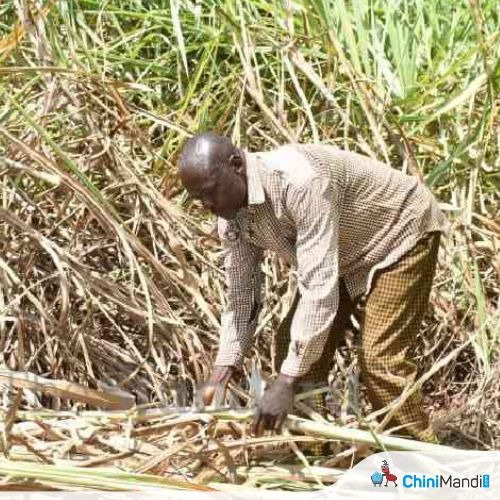
Busoga: The expansion of sugarcane cultivation in Uganda’s Busoga region has failed to improve food security for many farming households, with male-dominated contract farming practices limiting women’s control over land and income, reported Phys Org, citing a research by postdoctoral research fellow James Kintu.
Busoga, home to around 4.3 million people, has witnessed a threefold increase in land under sugarcane between 2000 and 2024. Seven sugar mills now operate in and around the region, while thousands of small farmers supply cane through contracts with mills. However, around one-third of households reported going entire days without food in Uganda’s 2024 census.

Kintu’s research in Jinja and Buyende districts found that sugar mills largely sign contracts with male household heads, often without consulting women. As a result, men control decisions on land use and receive the lump-sum payments from cane sales, while women bear much of the responsibility for feeding families and have limited land available for food crops.
The study found that up to 80% of family farmland is used for commercial sugarcane cultivation, leaving only around 20% for food production. In some cases, women were excluded from decisions involving multiyear contracts covering the family’s entire land.
The problem also affects widows. Although women have legal rights to inherit land, mills often do not automatically transfer their deceased husbands’ outgrower contracts to them, leaving them without access to payments, credit and agricultural extension services.
Kintu has called on sugar mills to offer contracts jointly to husbands and wives, ensure that widows can inherit outgrower agreements and involve women in decisions on land use. He also recommended that the sugar industry regulator make joint spousal consent mandatory for contracts, while district authorities should register cane agreements to enforce existing land protections.
The research further highlighted weak enforcement of labour laws in sugarcane-growing areas, including concerns over child labour.
Kintu said the expansion of contract farming makes the question of who signs agreements particularly important, as it determines who controls farm income and whether households have enough resources to meet their food needs.















