
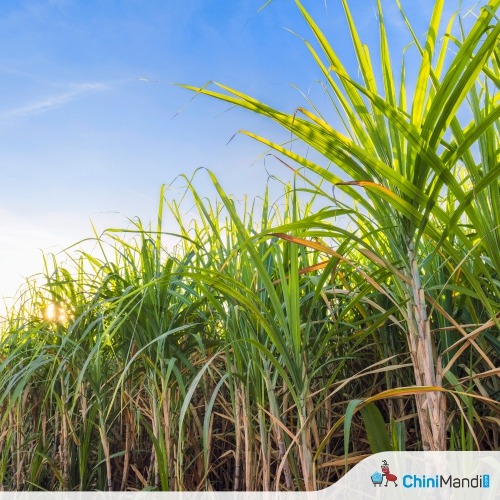
At a time when India is seeking to improve farm incomes while addressing nutrition and livelihood challenges in vulnerable communities, a pilot initiative in Kerala’s tribal belt is exploring whether sugarcane can become more than a commercial crop-and serve as a pathway to better nutrition, rural enterprise and local economic development.
The ICAR-Sugarcane Breeding Institute (ICAR-SBI), Coimbatore, in partnership with ICAR–Krishi Vigyan Kendra (KVK), Palakkad, has launched an integrated awareness and development campaign in Melachootra hamlet in Kerala’s Attappady region under its Development Action Plan for Scheduled Tribe Component (DAPSTC).

Unlike conventional sugarcane programmes focused primarily on production, the initiative combines agriculture, nutrition, health awareness and value-added rural enterprise to address challenges faced by tribal communities.
More than 150 tribal residents participated in the campaign, which focused on malnutrition, anaemia, nutrition security, sustainable agriculture and income generation.
Linking Sugarcane to Nutrition and Rural Livelihoods
The programme comes at a time when India’s sugarcane sector is increasingly being viewed not only as a source of sugar and bioenergy but also as a contributor to rural livelihoods and local value addition.
Addressing the gathering, Dr. D. Puthira Prathap, Principal Scientist and Nodal Officer of the DAPSTC project, highlighted a major health concern in Attappady, stating that more than 70 percent of adolescent girls in the tribal region are affected by anaemia, largely due to poor nutritional intake.
To respond to this challenge, ICAR-SBI introduced practical interventions including distribution of vegetable seed kits for household nutrition gardens, millet seeds and institute-produced liquid jaggery aimed at improving dietary diversity and household nutrition.
The initiative attempts to connect food production directly with nutrition outcomes by encouraging families to grow vegetables alongside cultivating crops that can generate income.
Demonstrating Sugarcane Beyond Traditional Farming
As part of the programme, ICAR-SBI also showcased the performance of sugarcane variety Co 14012 through a frontline demonstration plot established in Melachootra.
The institute believes sugarcane can create additional opportunities when linked with local processing and value addition.
To support that approach, ICAR-KVK, Palakkad has proposed setting up a small-scale jaggery production unit in the region.
The model is designed to help tribal farmers move beyond raw crop sales and create local enterprises around sugarcane processing, potentially improving returns while generating employment within villages.
Policy Support and Community Participation
Supporting the initiative, Assistant Director of Agriculture, Agali, M. Govindaraj informed farmers about Kerala Government’s “Area Expansion of Sugarcane” programme, under which farmers adopting sugarcane cultivation are eligible for financial assistance of up to ₹20,000 per hectare.
Officials encouraged tribal farmers to use the scheme to strengthen agricultural incomes and expand cultivation where suitable.
Dr. M. Israel Thomas, Head of ICAR-KVK, Palakkad, said the programme reflects ongoing collaboration among ICAR institutions and the State Agriculture Department to promote sugarcane cultivation alongside value-added rural enterprises.
The campaign also included technical sessions covering household nutrition gardens, health and hygiene practices, balanced fertiliser use, sustainable crop nutrition and demonstrations on ragi seed treatment using bio-fertilisers.
Participants received farm tools, household materials, liquid jaggery, first-aid kits, radios and quality seeds as part of the outreach effort.
Representatives of the tribal community said the campaign addressed issues directly linked to their everyday needs and livelihood concerns.
A key moment of the programme came when more than 150 tribal participants collectively pledged to work toward reducing malnutrition and improving the health of women and children in their villages.
While still at an early stage, the Attappady initiative is being positioned as a local example of how sugarcane-based interventions, when combined with nutrition and rural enterprise, could support broader goals of inclusive agricultural development in tribal regions.















