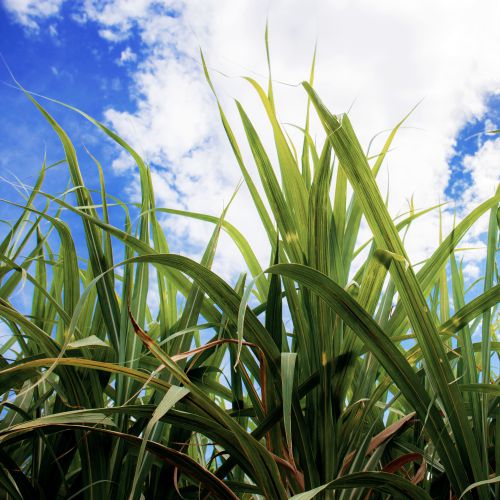
Sugarcane farmers in Fiji have been advised to prepare for prolonged dry conditions as a strengthening El Nino event is expected to suppress rainfall across major growing regions and increase pressure on crop production into early 2027, The Fiji Times reported.
The Fiji Meteorological Service and the Sugar Research Institute of Fiji (SRIF), in their sugarcane rainfall outlook issued on October 16, warned that the current El Nino event could intensify to the very strong category, raising the risk of water shortages and agricultural stress.

The forecast indicates below-normal rainfall across several sugarcane-growing regions during October, November and December.
In October, there is a 75% probability of rainfall between 0 and 25 mm in areas stretching from Sigatoka to Tavua. Rakiraki and Vanua Levu are expected to receive slightly higher rainfall of 25-50 mm.
For November, rainfall is forecast at 25-50 mm from Olosara to Penang, while Dobuilevu and Vanua Levu could receive 50-100 mm. Similar dry conditions are expected in December, with 25-50 mm projected between Olosara and Tavua and 50-100 mm in Rakiraki and Vanua Levu.
For the November 2026-January 2027 period, the outlook projects rainfall of 200-300 mm across sugarcane-growing areas from Olosara to Tavua. Penang and areas between Seaqaqa and SRIF Batanikama could receive 300-400 mm, while Dobuilevu, Wainikoro and Vunivutu are forecast to receive 400-500 mm.
The advisory noted that El Nino typically brings reduced rainfall to Fiji, increasing the likelihood of extended dry spells, declining water availability and stress on agricultural crops and livestock.
To minimise the impact, SRIF has urged farmers to adopt soil moisture conservation measures, including trash blanketing and mulching, and avoid unnecessary cultivation that could accelerate moisture loss.
Growers have also been advised against burning standing sugarcane and green trash after harvesting. Maintaining firebreaks has been recommended to minimise the risk of plantation fires during hot and dry conditions.
The institute has further recommended postponing non-essential new planting until rainfall patterns become clearer. Farmers in the driest areas between Sigatoka and Tavua have been advised to defer single-dose fertiliser applications until rainfall conditions improve.
Apart from water stress, prolonged hot and dry weather could increase the incidence of agricultural pests, including aphids, mealybugs, scale insects and armyworms.
Farmers have been encouraged to inspect their fields at least twice a week and take early control measures if infestations are detected. Significant pest outbreaks, disease incidents and unusual crop conditions should be reported to SRIF.
The next sugarcane rainfall outlook is scheduled for October 30.