IPL Biologicals Ltd. has inaugurated a cGMP-compliant Biological Manufacturing Facility in Vadodara, Gujarat. The company said that this development marks a decisive step forward in accelerating Prime Minister Narendra Modi’s national appeal to reduce chemical fertiliser usage by up to 50% and transition toward safer, sustainable, and self-reliant farming practices.
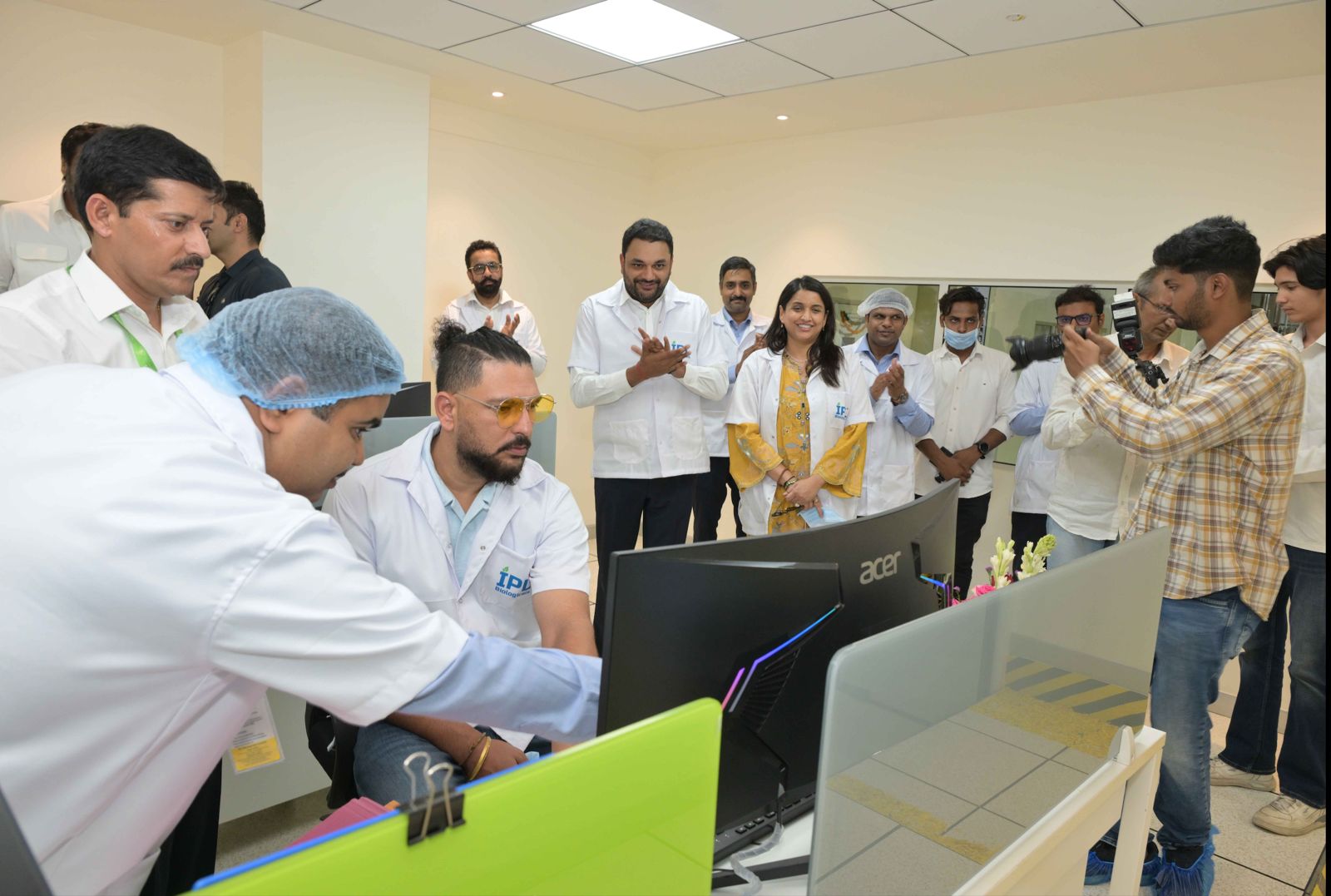
The inauguration ceremony was attended by the company’s brand ambassador, cricket icon Yuvraj Singh, alongside scientists, policymakers, as well as key distributors and progressive farmers.

The press release stated that the facility represents a major scale-up in India’s indigenous agri-biological ecosystem, directly empowering farmers to restore soil health while maintaining crop productivity.
“Spread across 12 acres with a built-up area of 2 lakh square feet, the facility increases IPL Biologicals’ total production capacity to 70000 L per day. Engineered for the future of biological manufacturing, the plant features a fully automated production line with automatic harvesting and transfer systems, enabling near-zero human intervention,” the release stated.
The facility operates with a Zero-Liquid-Discharge (ZLD) system that recycles all wastewater and generates 500 kW of captive solar power, reflecting IPL Biologicals’ deep commitment to responsible and sustainable manufacturing.
The plant is cGMP-compliant, meets OHSAS and ISO 9001:2015 standards, is SCADA-controlled for real-time process monitoring, and holds IMO, Indocert, and OMRI organic certifications, enabling its products to serve discerning markets across the globe.
The release said, “New biological manufacturing plants in India boost domestic production capacity, ensuring farmers receive high-quality bio-fertilisers and biopesticides. By enabling farmers to replace synthetic chemicals, these facilities drastically reduce the national fertiliser subsidy burden and reliance on imports. This shift simultaneously restores soil health, improves produce quality, and protects human health”.
The expansion of domestic biologicals directly transforms India’s agricultural and economic landscape through several key mechanisms:
- Environmental and Soil Health: Integrating microbial formulations and bio-fertilisers replaces depleted soil nutrients naturally. This avoids the long-term soil acidification caused by continuous synthetic fertiliser use, promoting cumulative soil fertility season after season.
- Reduced Subsidy Burden: By promoting self-sustaining microbial nutrient conversion and crop protection, the agricultural sector requires fewer heavily subsidised chemical inputs. This takes immense financial strain off the national exchequer.
- Forex Reserve Improvement: By shifting to locally produced biologicals, the nation reduces its reliance on imported chemical inputs, protecting the economy from global price shocks and preserving valuable foreign exchange reserves.
- Human Health & Produce Quality: Transitioning away from harsh chemical pesticides and fertilisers limits toxic runoff into water supplies and decreases dietary chemical residue, leading to safer, higher-quality agricultural outputs for consumers.
Harsh Vardhan Bhagchandka, President, IPL Biologicals Ltd. said that Prime Minister Modi’s call for up to a 50% reduction in chemical fertiliser usage is a civilizational imperative for our soil, our health, and our nation. “This facility is IPL Biologicals’ direct response to that call. We are scaling our three decades of microbial innovation to provide India’s Annadatas with advanced, eco-friendly biological solutions that make sustainable agriculture a practical, profitable, and everyday reality,” he said.
Mahesh Bhagchandka, CMD, IPL Biologicals Ltd. said, “Reducing chemical inputs by 50% is not just an environmental goal; it is an economic necessity for smallholder farmers. When we replace heavy chemical loads with high-efficiency biofertilizers, we significantly reduce input costs while preserving soil fertility. This plant brings world-class scientific solutions directly to the grassroots level.”