
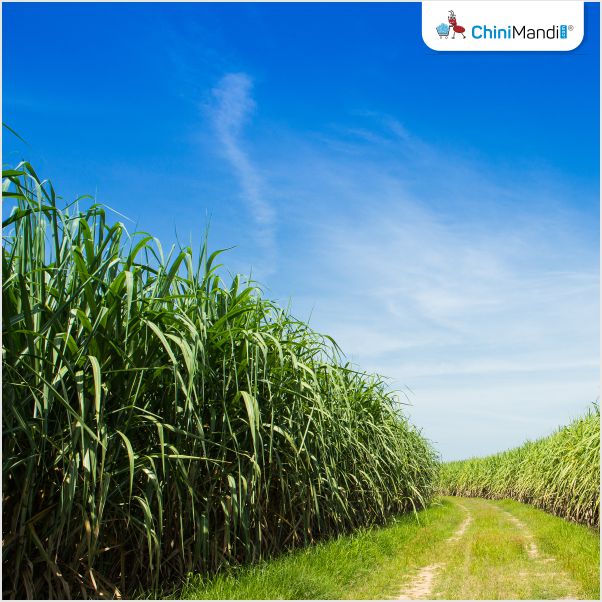
Kalaburagi: Sugarcane acreage in Karnataka’s Kalaburagi district has risen to nearly 40,000 hectares this season from about 36,000 hectares last year as farmers shifted to the cash crop in anticipation of better prices and increased demand from upcoming sugar factories.
The expansion comes despite mounting concerns over inadequate monsoon rainfall, which has lowered water availability and put the crop under stress. Farmers say the prolonged dry spell has upset expectations of higher income and could affect both yields and supplies to sugar mills, The Times of India reported.

The district currently has five operational sugar factories, while new mills are expected to start operations at Chigaralli, Holakunda and Savalagi in Jewargi taluk. Each unit has a crushing capacity of around one million tonnes of sugarcane annually, taking the combined requirement of the district’s nine factories to an estimated 9-10 million tonnes of cane.
Current production, however, is estimated at only about 4.3 million tonnes, indicating that the district could face a significant shortage of sugarcane during the forthcoming crushing season.
Farmers said sugarcane remained an attractive option because it requires relatively less labour and maintenance than several other crops. Expectations of prices of around Rs 3,000 per tonne and additional procurement demand from new factories also encouraged them to increase planting.
The cost of cultivating sugarcane, however, has risen sharply. Farmers estimate that spending on seed and fertilisers alone ranges between Rs 35,000 and Rs 40,000 per acre, while erratic power supply has made irrigation more difficult amid falling groundwater levels.
Growers have appealed to both the Centre and the Karnataka government to provide drought relief of Rs 50,000 per acre, with each government contributing Rs 25,000, to help offset losses and protect sugarcane cultivation.
Joint Director of Agriculture Samad Patel said the area under sugarcane has been increasing steadily in the district over the past few years. He said the crop depends on water from borewells, rivers and streams, but water levels have declined due to insufficient rainfall. He expressed hope that the district would receive adequate rainfall in the coming days.
Sugarcane Growers’ Association president Jagadish Patil Rajapur said the drought has created an acute water crisis, affecting both agriculture and drinking water supplies. He said many streams have dried up completely, making it difficult for sugarcane to survive, and urged the government to immediately announce compensation for affected farmers.















