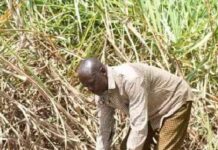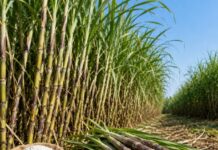
Nairobi: Kenyan President William Ruto has vowed to take action against alleged cartels controlling the country’s sugar industry, accusing middlemen and brokers of exploiting sugarcane farmers and undermining domestic production, reported Sacco Review.
Addressing farmers at the Agriculture and Food Systems Transformation Summit (AFSS) in Nairobi, Ruto said the government was aware of individuals allegedly interfering with the Kenya Sugar Board’s (KSB) nationwide director elections. He accused the groups of using court proceedings to repeatedly block the electoral process and said the government was preparing measures to address the issue.

The elections have been suspended three times, with the latest scheduled for September 5, 2026, also facing disruption. Ruto alleged that certain groups were sponsoring farmers to approach courts and obtain orders preventing the elections from proceeding.
He said the interference was aimed at maintaining control over the sugar market, allowing the import of cheaper sugar while weakening domestic production. The President called for the sector to be freed from the influence of middlemen and cartels to improve farmers’ earnings and strengthen the industry.
As part of the government’s support measures, Ruto announced that Ksh1.8 billion had been set aside to offset farmers’ debts by December 2026. He also said bonuses to farmers would be paid by the beginning of November 2026.
For financially distressed sugar factories, the government has allowed private-sector participation to help keep mills operational.
The announcements came during discussions on transforming Kenya’s sugar industry, where stakeholders examined ways to improve mill competitiveness, increase productivity and ensure better returns for farmers.
Key issues included access to quality seed cane, agricultural extension services, climate-resilient varieties, cane pricing, transparent weighment and timely payments. Participants also discussed the use of the Sugar Development Fund, financing, value addition and the utilisation of sugar industry byproducts to support a circular economy.
The discussions emphasised the need for a comprehensive cane-to-sugar reform framework to ensure reliable cane supplies, improve mill efficiency, raise farmer incomes and build a more sustainable and inclusive industry.
The event also recognised farmers for their contributions to innovation, resilience and the development of the sugarcane value chain.