
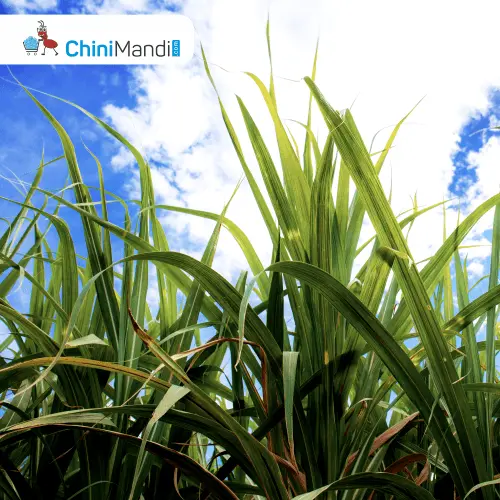
The ICAR-Sugarcane Breeding Institute (SBI) has identified lemongrass as an effective natural deterrent to protect sugarcane fields from elephant intrusion in areas bordering the Western Ghats.
As part of its outreach initiatives for scheduled tribe communities, the institute has been supplying lemongrass seeds to beneficiary sugarcane farmers in village regions, according to senior scientists, The Hindu reported.

Researchers noted that the practice has already delivered positive results for farmers in northeastern States dealing with similar wildlife challenges. When elephants enter sugarcane fields where lemongrass is planted between crop rows, the plants release oil and emit a strong scent that discourages the animals and drives them away.
Apart from helping reduce crop damage, scientists said lemongrass cultivation also provides farmers with an additional source of income because of its antioxidant, anti-inflammatory and antimicrobial properties.
Elephant-related damage to sugarcane crops remains a recurring issue in parts of western Tamil Nadu, particularly in Mettupalayam, Periyanaickenpalayam and Thondamuthur blocks of Coimbatore district. Similar concerns are reported in areas adjoining the Anamalai Tiger Reserve in Tiruppur district and the Sathyamangalam Tiger Reserve in Erode district.
Official data show that four districts in the western region feature among the State’s top ten sugarcane-producing areas. Erode leads with 20,101 hectares under cultivation and production of 24.41 lakh metric tonnes, followed by Namakkal with 11,182 hectares and 14.75 lakh metric tonnes, Salem with 6,278 hectares and 6.68 lakh metric tonnes, and Dharmapuri with 4,326 hectares producing 5.58 lakh metric tonnes.















