
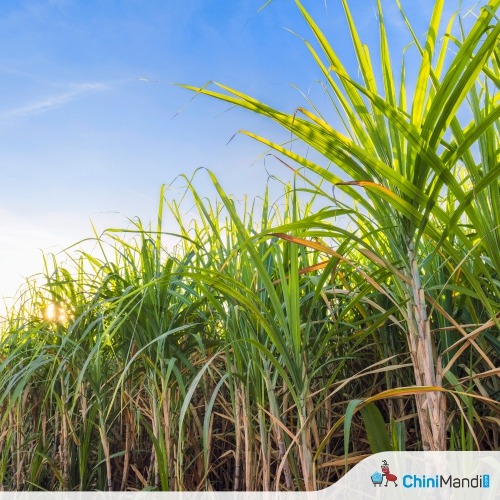
Uttur: A farmer in Belewadi village of Ajra taluka is set to introduce a Japanese variety of sugarcane, known for its higher disease resistance and lower water requirement, in a first-of-its-kind effort in the region, Sakal reported.
The initiative has been taken by progressive farmer Maruti Kesarkar, who has been experimenting with different crops on his farm for over a decade. Known for selecting crops based on seasonal trends and market demand, Kesarkar had earlier earned good returns by cultivating marigold and selling flowers in local markets. He is also involved in producing and selling sugarcane saplings from cane buds.

During his visits across Maharashtra and Karnataka for business, Kesarkar came across the Japanese sugarcane variety being cultivated by farmer Laxman Naik in Pattankodi. After gathering details, he decided to bring the crop to his village. The variety is cultivated in Osaka and Hiroshima regions of Japan and requires less water apart from better resistance to diseases.
To begin the project, Kesarkar procured nine tonnes of sugarcane from Naik about a month ago and developed around 40,000 saplings from the buds at his farm. These saplings are now ready for planting.
The initiative has drawn interest from farmers in the surrounding areas, many of whom have visited the farm to learn about the crop and purchase saplings. Around 5,000 saplings have already been sold, while the remaining have been booked in advance.
Kesarkar said he plans to cultivate the saplings on his farm this season and expand production next year to supply more farmers.
Agriculture officials said the introduction of the Japanese variety could help bring new farming practices to the area. With favourable conditions for sugarcane cultivation in the taluka, the crop is expected to benefit farmers.
Farmer Laxman Naik, who has already grown the variety, said it produces heavier cane, has strong resistance to diseases and offers higher returns due to better output.















